World football governing body FIFA has confirmed the appointment of a Nigeria Football Federation (NFF) normalisation committee to oversee the reset of Nigerian football over the next few months.
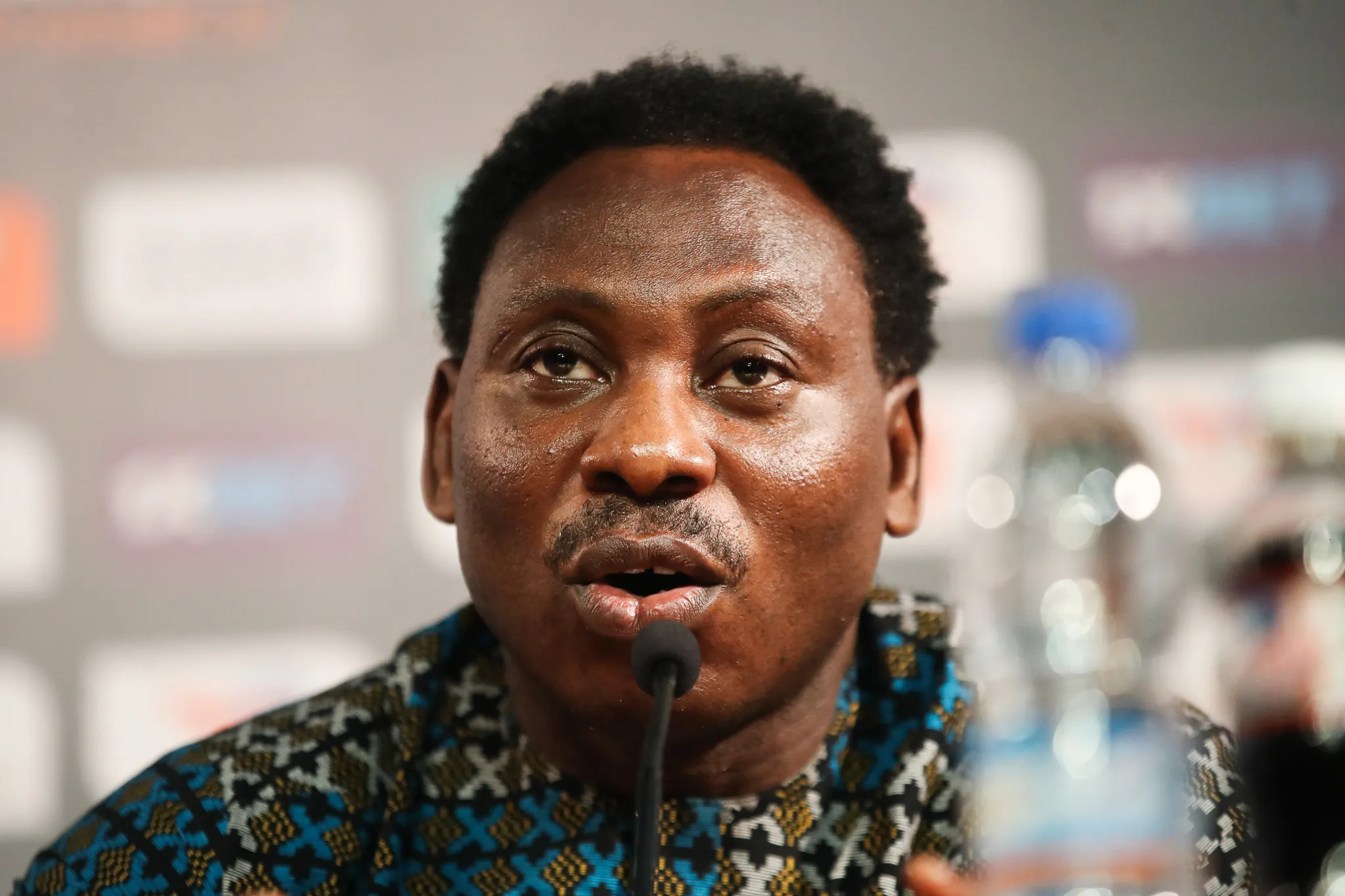
The five-member committee will be chaired by Sampson Ebomhe, with Joe Abah, Godwin Enakhena, Amina Yerima, and former Super Eagles forward Daniel Amokachi serving as members.
This committee will oversee the day-to-day operations of the football federation, while preparing a proper framework ahead of fresh elections that will usher in a new leadership.
The members of the committee are individuals who have worked within Nigerian football and the Nigerian government. They were selected following consultations with local sports bodies in Nigeria.
Meet the Nigeria Football Federation (NFF) Normalization Committee Chairman: Sampson Ebomhe is a Nigerian barrister. He earned his LL.B. from the University of Benin in 1987 and was called to the Bar in 1988. In football, he served as legal counsel to the League Management Company (LMC), which managed the Nigeria Professional Football League (NPFL). He was chairman of the NFF Electoral Committee for the 2014 Warri Congress. The election produced Amaju Pinnick as the NFF President. He acted as a Member-Secretary of the NFF Club Licensing First Instance Body in 2014. He was Vice-Chairman of the National Sports Commission’s electoral committee in 2025. Barr. Sampson Ebomhe has always been around the football and sports ecosystem.
— OgaNlaMedia 🇳🇬 (@OgaNlaMedia) November 19, 2026
However, according to FIFA, any member could still be removed if found wanting during an eligibility check to be conducted by its Review Committee.
Why Does The NFF Have A Normalisation Committee?
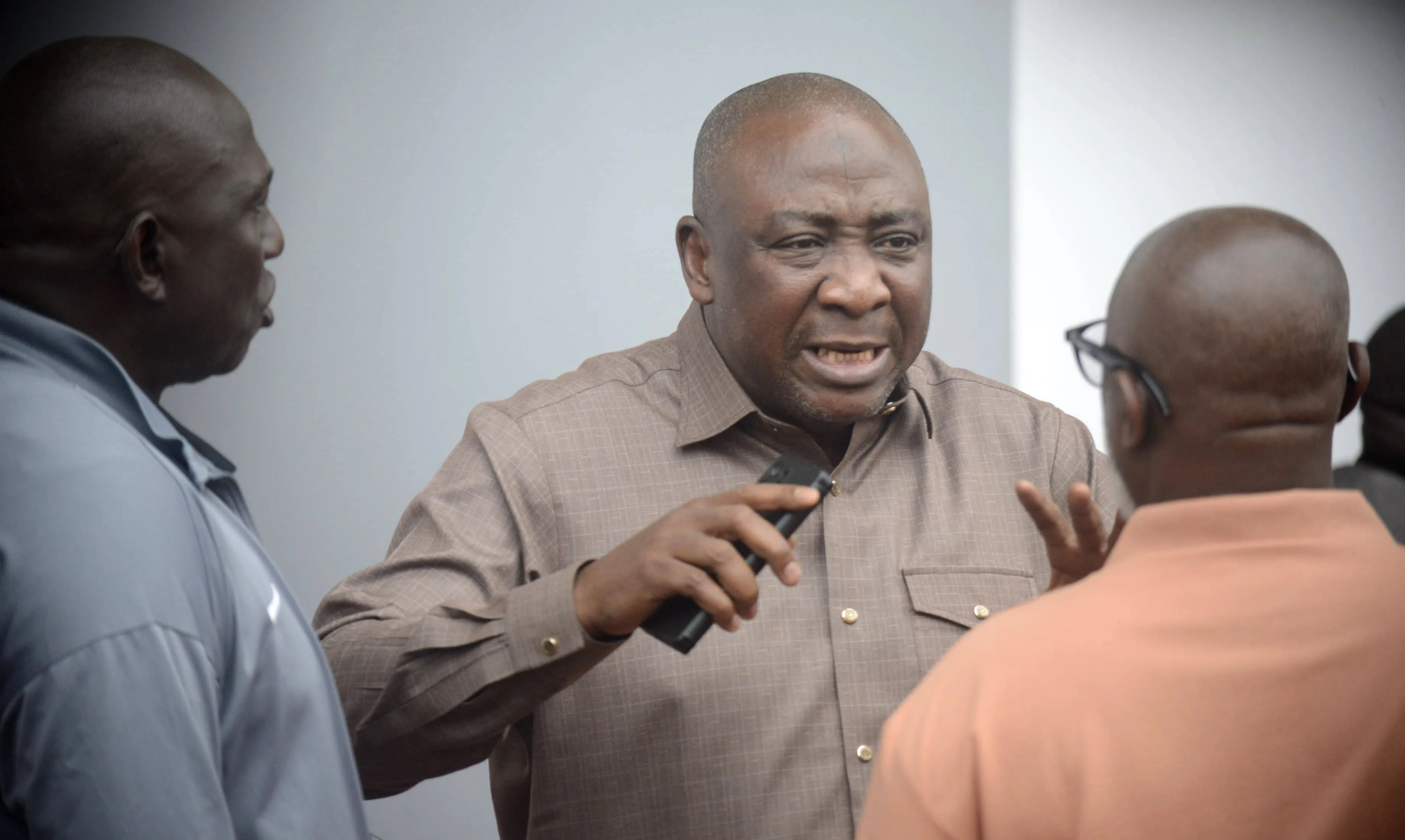
The setup of the NFF Normalisation Committee comes in the wake of the resignation of the former Nigeria Football Federation board, led by Ibrahim Gusau.
His resignation was triggered by the Super Falcons’ poor outing at the 2026 Women’s Africa Cup of Nations, where they exited at the quarter-final stage and failed to secure qualification for the 2027 Women’s World Cup.
Following the resignation of the Gusau-led board, Emmanuel Ikpeme took charge as acting general secretary. However, FIFA dispatched a fact-finding delegation to Nigeria to ascertain the true state of football leadership in the country.
The delegation concluded its assessment after two days. Initial fears that Nigeria could face an international ban have now been allayed.
This new normalisation committee will oversee affairs at the Glass House until May 2027.
The Major Limitation FIFA Has Placed On This Committee
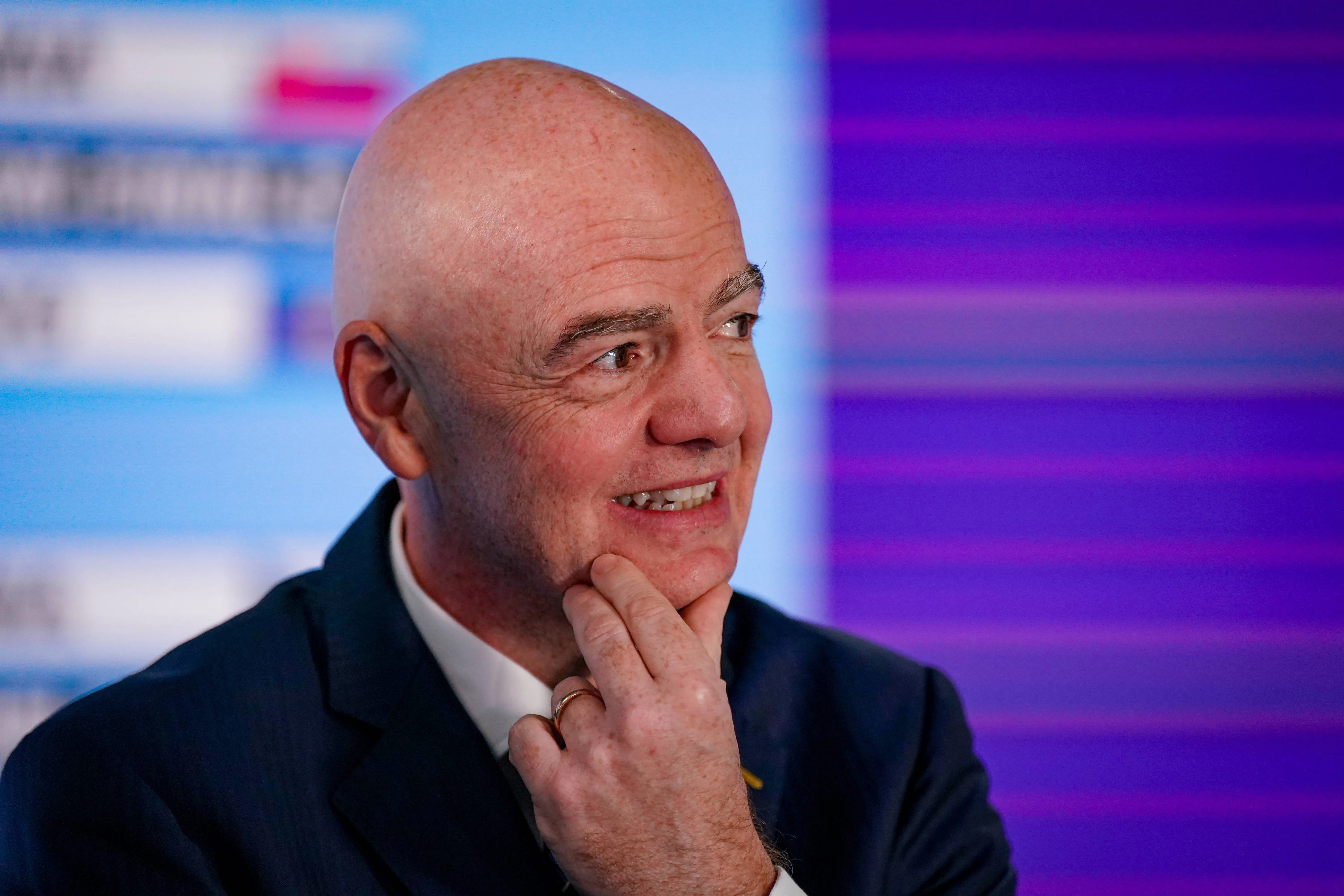
While the committee possesses the authority to make key decisions for Nigerian football over the coming months, there is one major caveat: none of its members may contest any position in the upcoming NFF elections. Even if they resign from the committee or have their mandate revoked, they will remain ineligible to run.
Another major limitation is that they cannot appoint anyone to a contract or position extending beyond their six-month tenure.
With Eric Chelle’s contract officially set to expire in January next year, it remains to be seen how they will handle the situation.
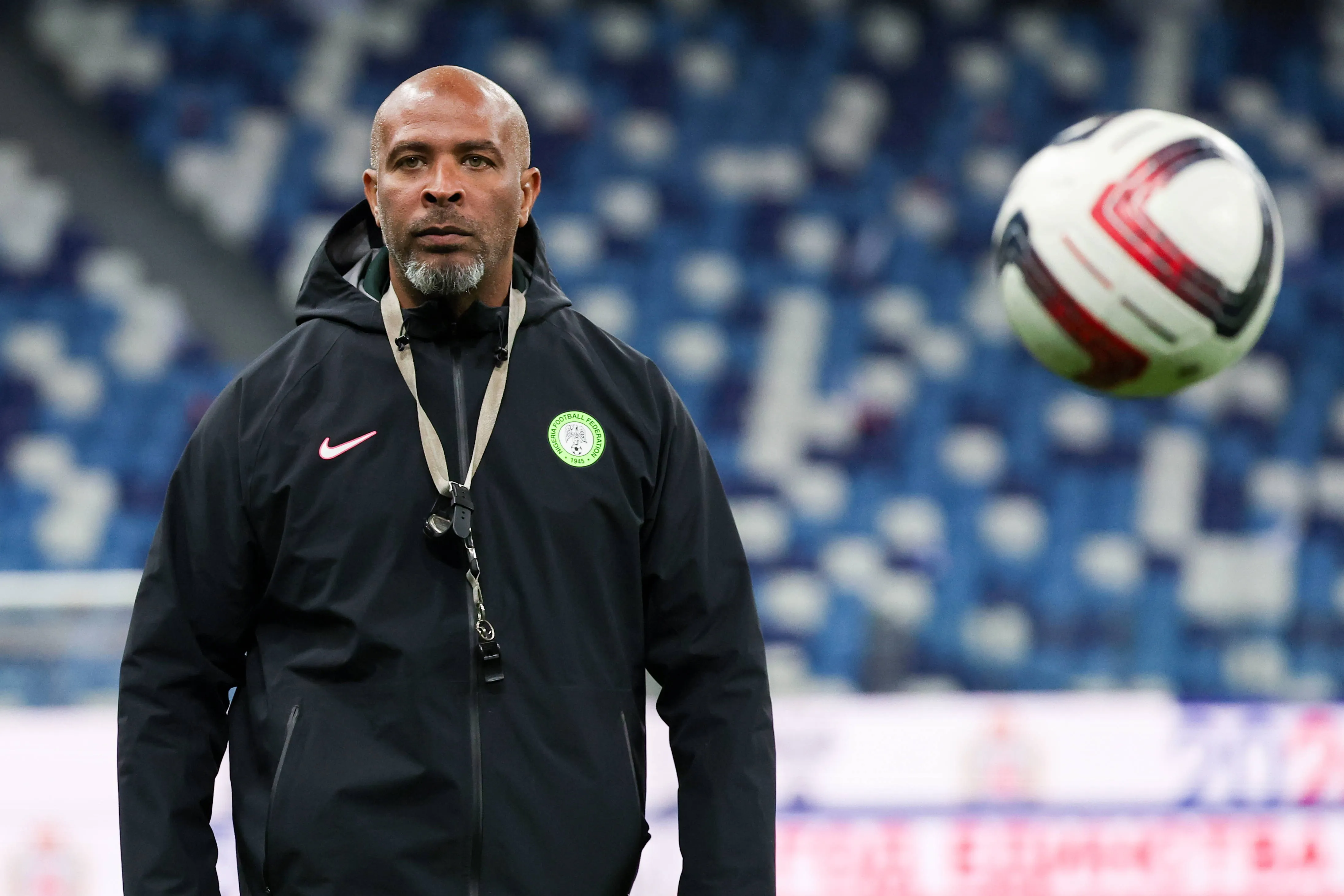
Additionally, the Super Falcons are competing in the 2028 Olympic qualifiers without a permanent head coach. Augustine Eguavoen currently leads the side on an interim basis; however, he is not a specialist women’s football coach, and with Nigeria scheduled to face Morocco in February 2027, the team’s tactical vulnerabilities could be exposed.