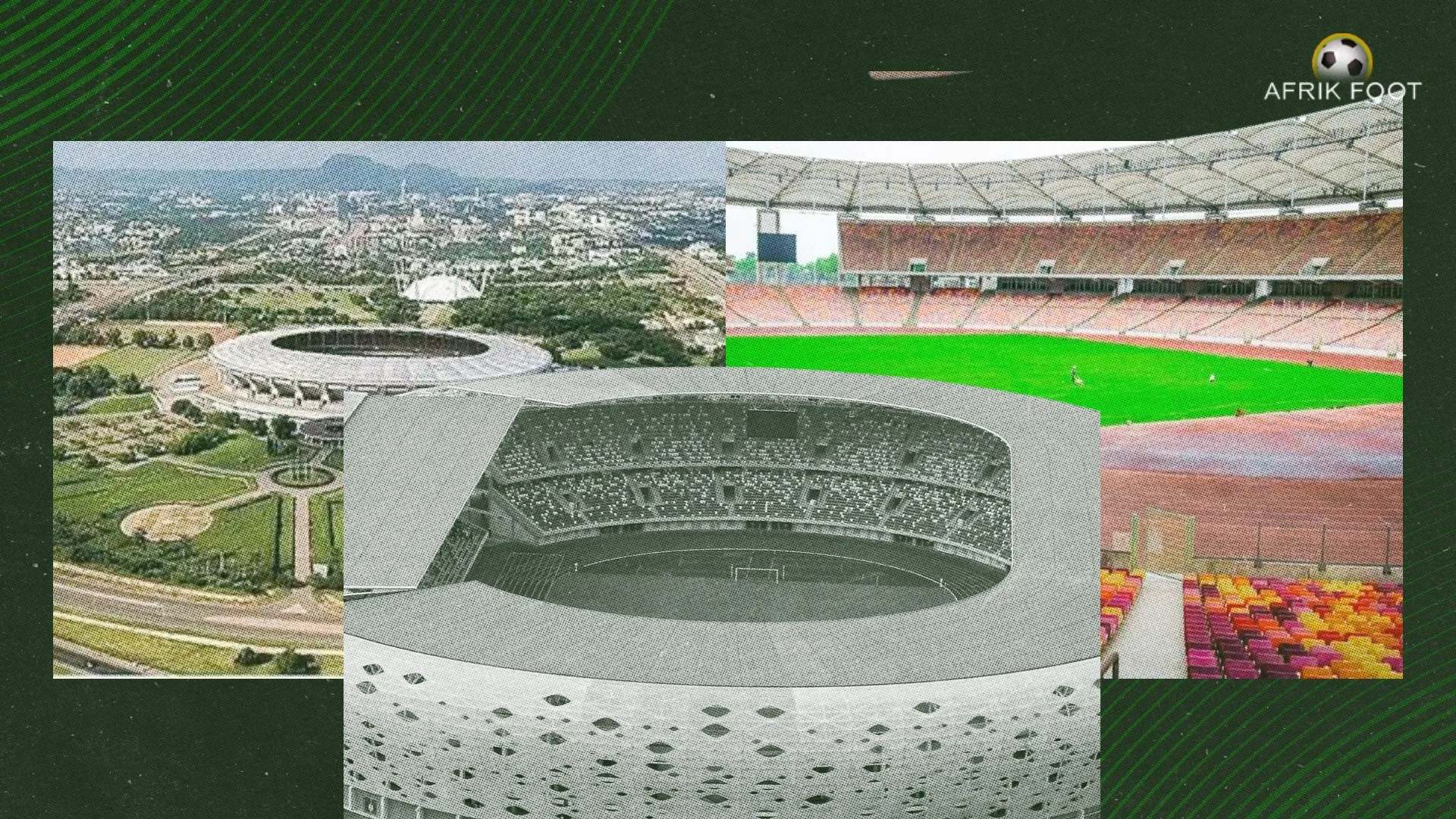
The Moshood Abiola National Stadium in Abuja is the biggest stadium in Nigeria, with a capacity of 60,491, ahead of Jos International Stadium and the Lagos National Stadium in Surulere.
The Super Eagles have not played in the capital since March 2023, though, and stage their home games at the 30,000-capacity Godswill Akpabio International Stadium in Uyo, roughly half the size.
Each capacity is the figure shared by the most independent listings as of November 2026, and four grounds have disputed numbers.
Full list of the biggest stadiums in Nigeria by capacity
In all, 12 grounds hold 20,000 people or more, spread across nine states and the Federal Capital Territory.
Lagos and Delta State have two entries each, and Katsina is the only north-western state on the list.
Several of these grounds host NPFL sides every week, and our guide to Nigeria’s top 10 football clubs covers their star players, fan bases and history.
Nigeria’s 12 largest stadiums ranked, from Abuja to Warri
1. Moshood Abiola National Stadium, Abuja (60,491)
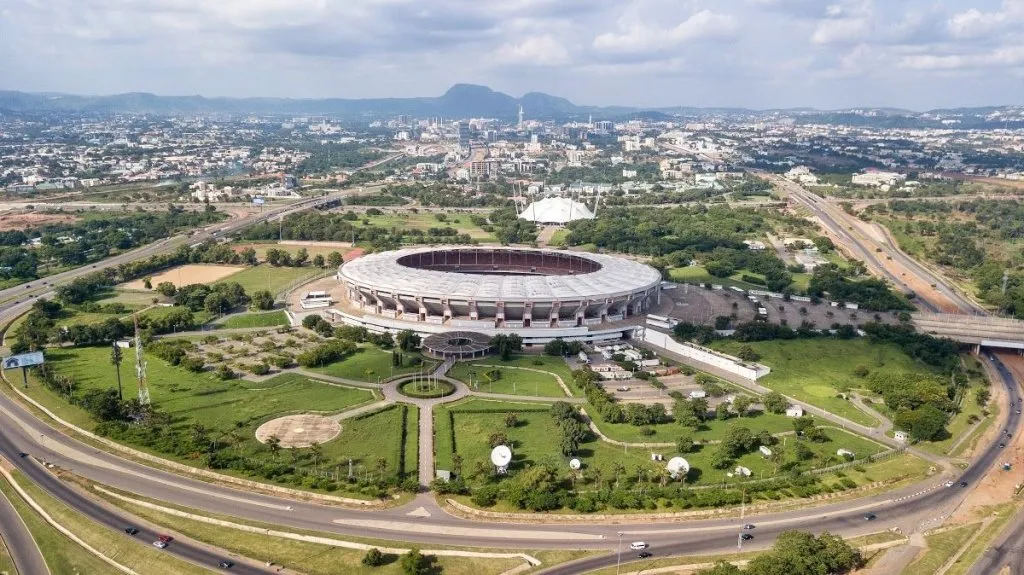
The Moshood Abiola National Stadium in the Federal Capital Territory is the largest stadium in Nigeria, with a covered bowl that holds 60,491.
It was built for the All-Africa Games staged in Abuja in October 2003, when it was simply the National Stadium, Abuja.
Its record crowd of 60,000 came on June 1, 2008, when Nigeria hosted South Africa.
Then-president Muhammadu Buhari renamed the ground after the late politician M.K.O. Abiola on June 12, 2019.
2. Jos International Stadium, Plateau State (60,000)
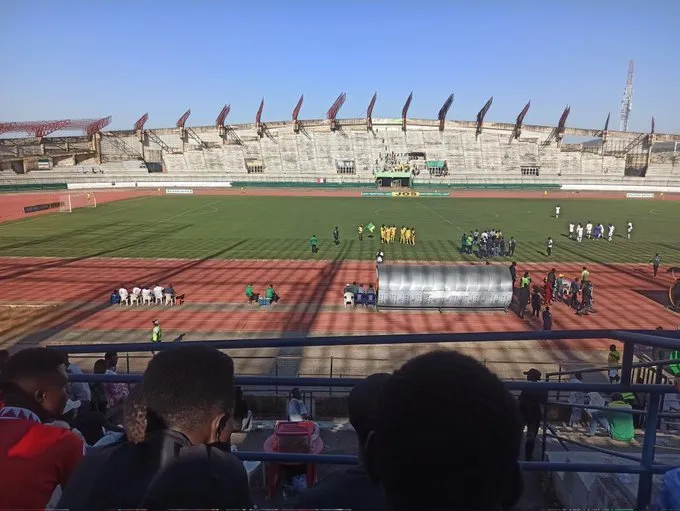
Jos International Stadium is listed at 60,000, which would leave it only 491 places behind the national stadium in Abuja.
No figure on this list is more contested, because one stadium database records the ground at just 44,000.
Plateau United are linked with the venue, although the Jos club has also used the much smaller Rwang Pam Stadium in the same city.
3. Lagos National Stadium, Surulere (45,000)
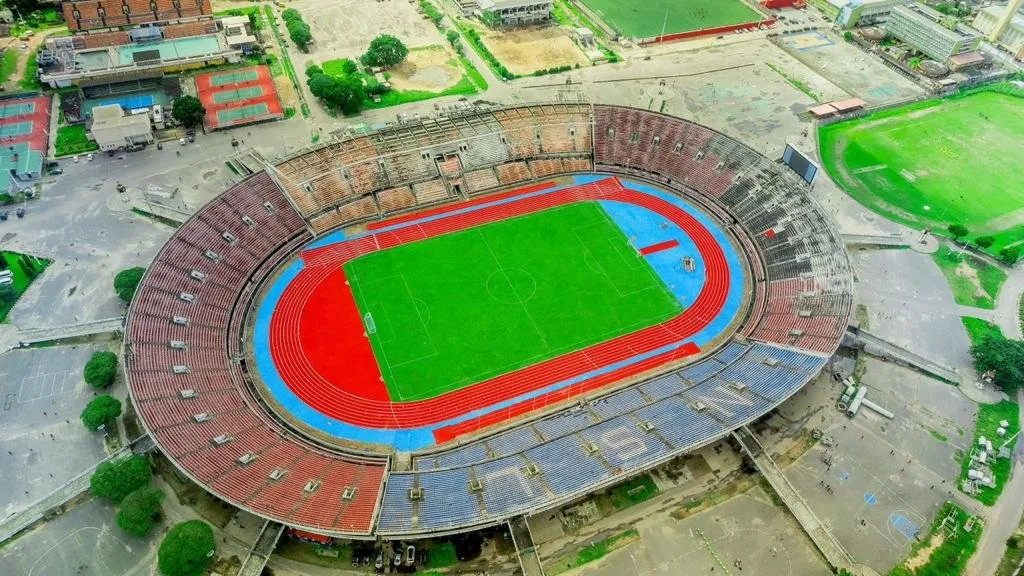
The Lagos National Stadium in Surulere opened in 1972 with room for 55,000, a figure cut to 45,000 in 1999.
It staged the 1980 Africa Cup of Nations final on March 22, 1980, when Nigeria beat Algeria 3-0 to win their first continental title.
The old national home was left to decay from the early 2000s until the federal government started renovation work in 2022, and its redevelopment was still listed as ongoing in May 2026.
4. Adokiye Amiesimaka Stadium, Port Harcourt (38,000)
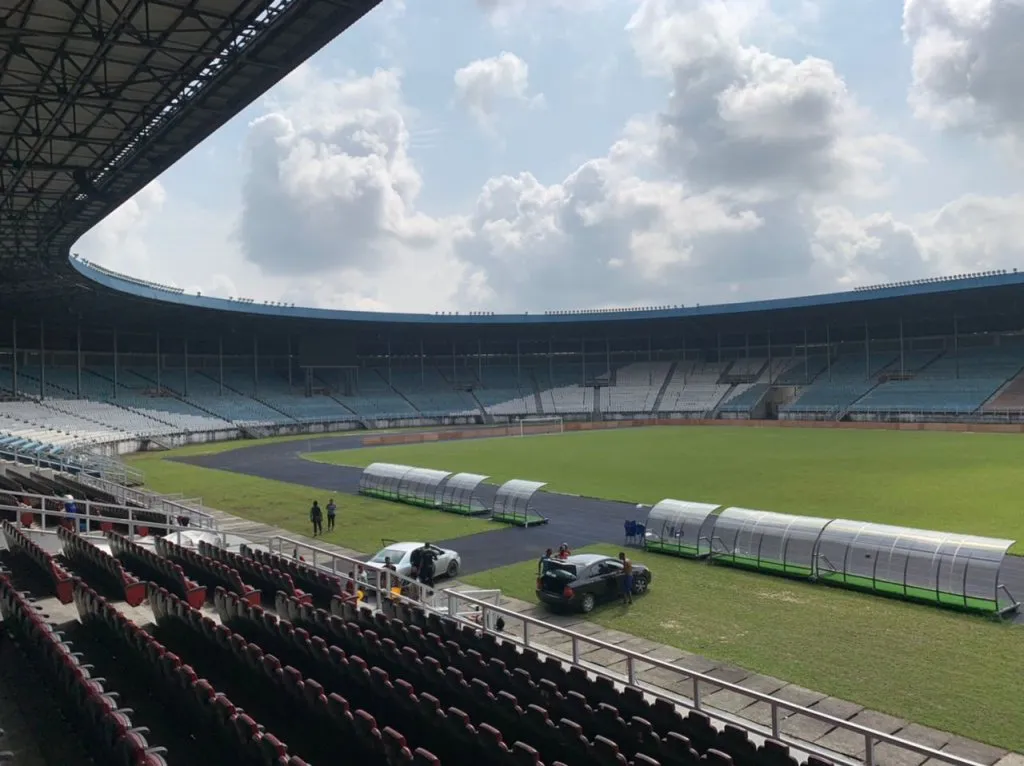
The Adokiye Amiesimaka Stadium in Rivers State opened on July 19, 2015, with Nigeria’s 2-1 win over Congo in an Olympic qualifier.
Rivers United play their home games at the ground, which is named after Adokiye Amiesimaka, a member of the squad that won the 1980 Africa Cup of Nations.
5. Muhammadu Dikko Stadium, Katsina (35,000)
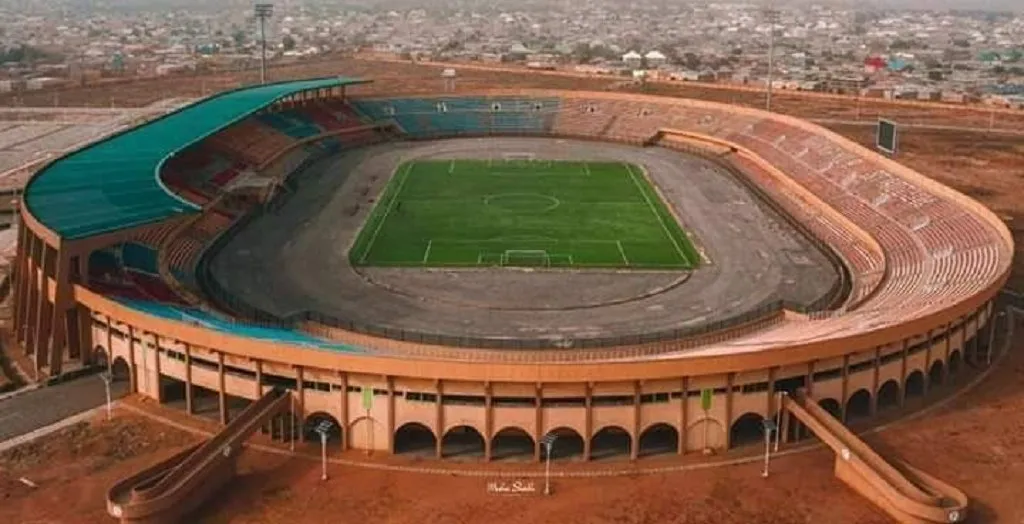
The Muhammadu Dikko Stadium opened in 2013 as Karkanda Stadium and was renamed in 2016 after a 20th-century Emir of Katsina.
The 35,000-capacity ground is home to Katsina United and is the largest stadium in the north-west of the country.
6. Godswill Akpabio International Stadium, Uyo (30,000)
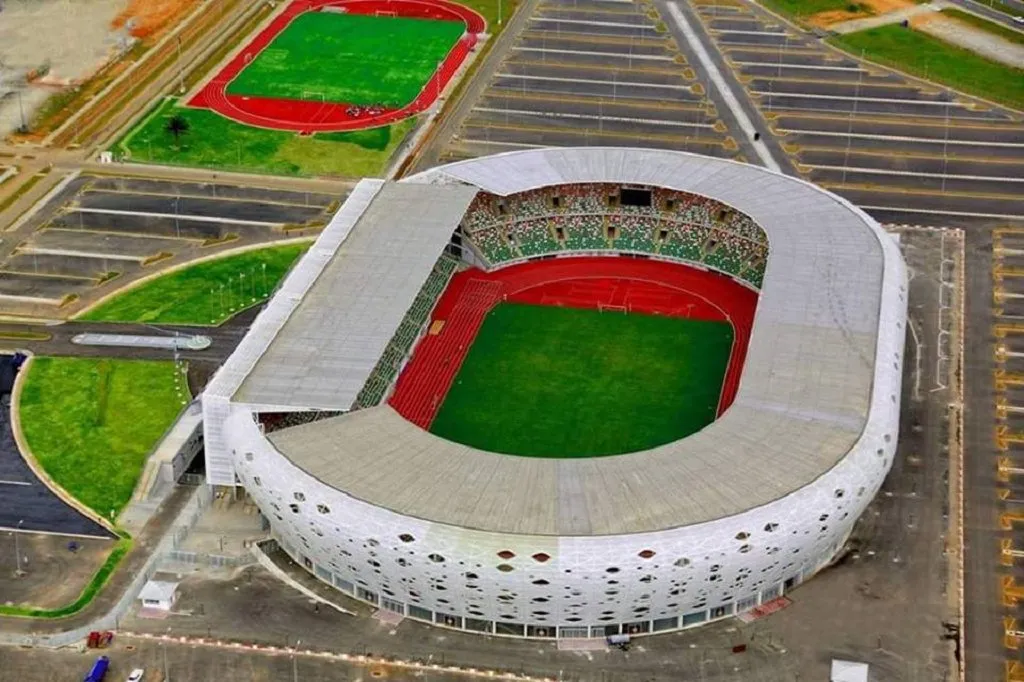
The Godswill Akpabio International Stadium in Akwa Ibom State is only sixth by size, yet it is the ground the national team calls home.
Julius Berger built it between 2012 and 2014 to a design modelled on the Allianz Arena, and it opened in 2014 as the Akwa Ibom International Stadium.
Governor Udom Emmanuel was inaugurated inside the stadium on May 29, 2015, and straight afterwards renamed it after his predecessor, Godswill Akpabio.
Akwa United play their league games there.
7. Confluence Stadium, Lokoja and Obafemi Awolowo Stadium, Ibadan (25,000 each)
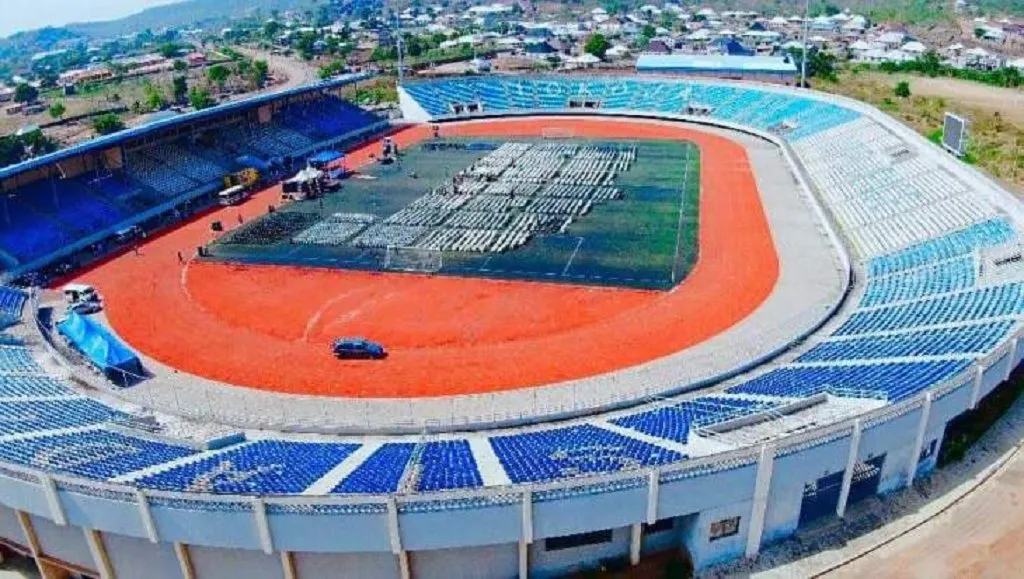
Confluence Stadium in Kogi State and the Obafemi Awolowo Stadium in Oyo State share seventh place with 25,000 each.
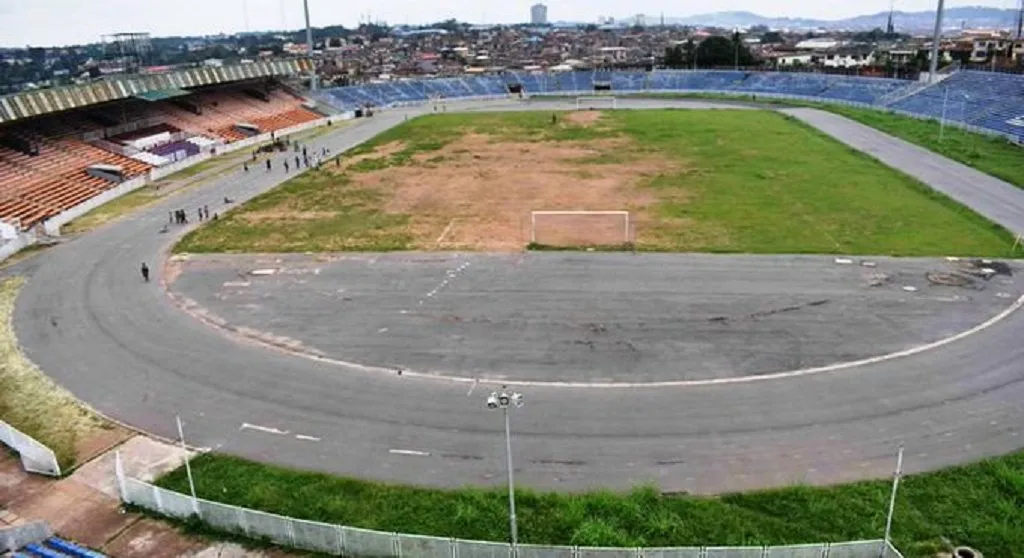
The Ibadan ground, once called Liberty Stadium, was one of the two venues at the 1980 Africa Cup of Nations, and federal redevelopment work was under way there in 2026.
9. Teslim Balogun Stadium, Lagos (24,325)
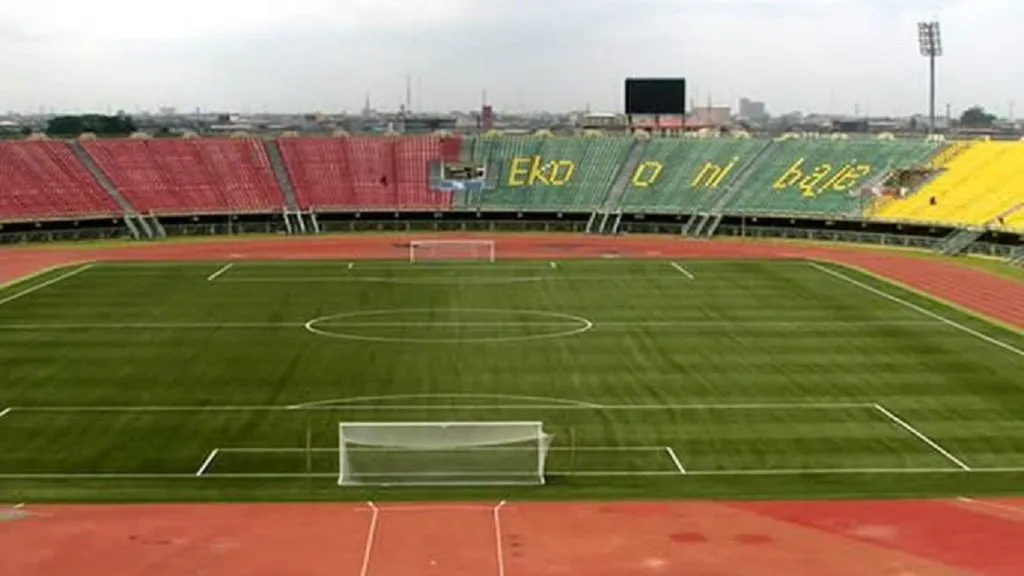
Teslim Balogun Stadium opened in 2007 next to the old national stadium in Surulere.
It closed in 2021 for remodelling required by the Confederation of African Football (CAF), and the work stalled in February 2024 over the grass upgrade.
Lagos State has since pushed the renovation on, and the NFF now has the venue under consideration for national team matches.
10. Nnamdi Azikiwe Stadium, Enugu (22,000)
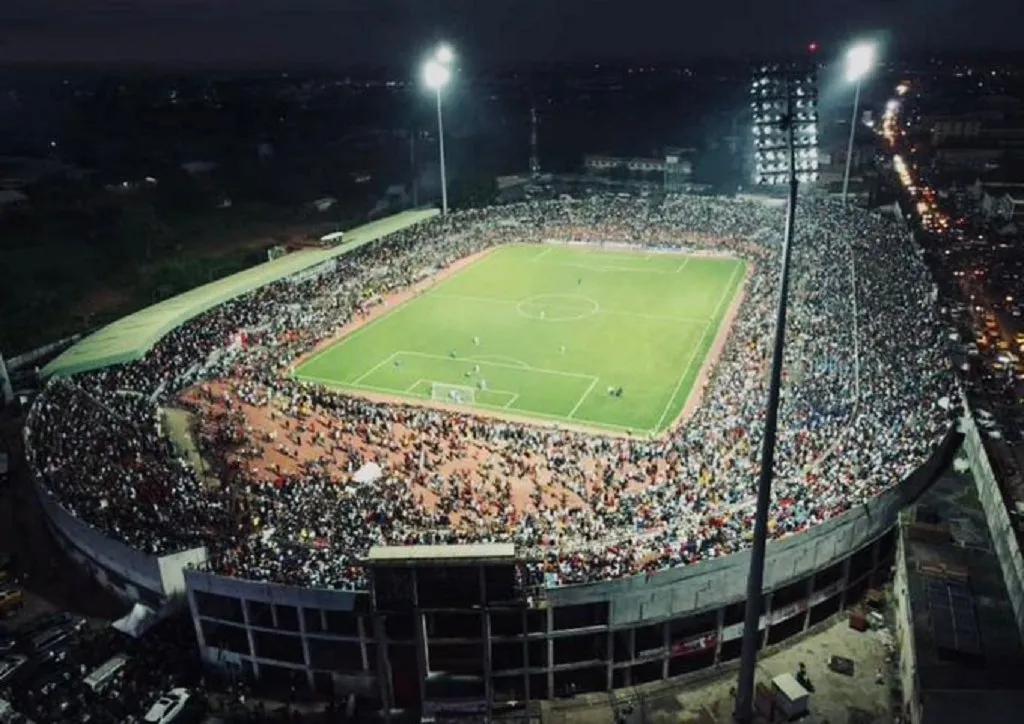
The Nnamdi Azikiwe Stadium is home to Enugu Rangers and was a venue at the 1999 FIFA World Youth Championship.
Nigeria’s under-20 side went out of that tournament there with a 3-1 defeat to Mali in the quarter-final on April 18, 1999.
Stephen Keshi Stadium, Asaba and Warri Township Stadium
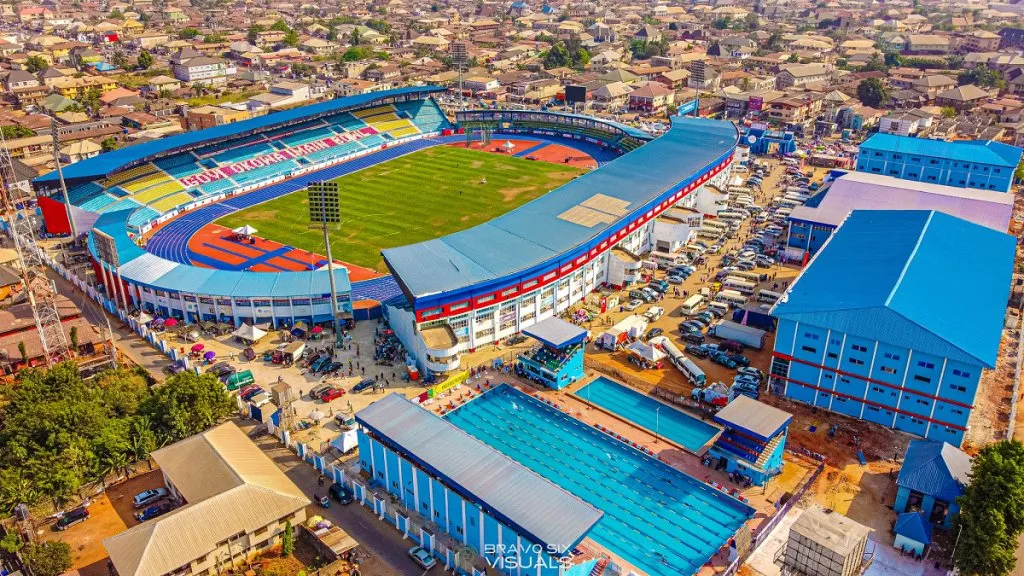
Delta State completes the list with the 22,000-capacity Stephen Keshi Stadium in Asaba, opened in 2018 and named after the former Nigeria footballer.
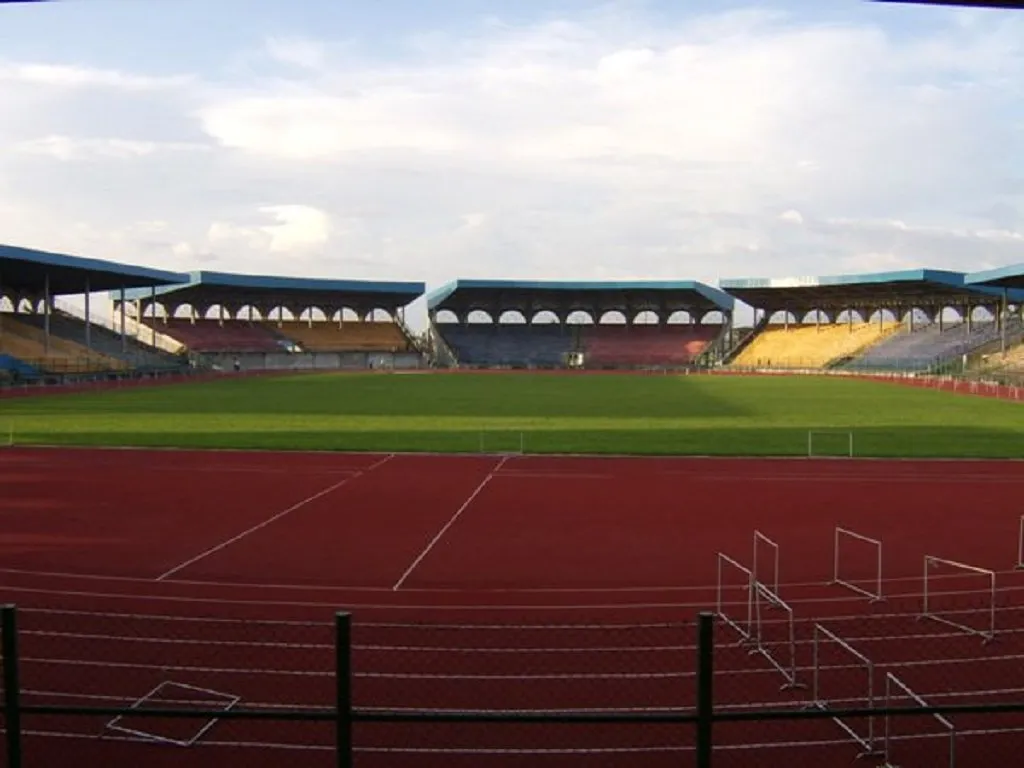
The state’s second entry is the 20,000-capacity Warri Township Stadium, home of Warri Wolves.
Where do the Super Eagles play home matches?
The Super Eagles play their home matches at the Godswill Akpabio International Stadium in Uyo, Akwa Ibom State.
A senior Nigeria Football Federation (NFF) official said in October 2026 that the team has been based there for nearly a decade, and both home games of the 2027 Africa Cup of Nations qualifying campaign so far were played in Uyo.
“Lagos is under consideration, but Uyo remains the venue for our games,” the NFF official said, adding that a move could affect the players while they adjust to new surroundings.
The first of those qualifiers was a 2-1 comeback win over Madagascar on Friday, September 25, 2026.
Moses Usor scored the winner on his debut that night, and the Super Eagles winger’s full profile covers his stats, salary and international story.
Nigeria then beat Tanzania 3-1 in Uyo on Friday, November 13, 2026, with substitute Tolu Arokodare scoring in the 52nd and 60th minutes.
The Super Eagles striker’s second goal came from a low cross by Usor, who had come on with him at half time.
Both wins count in Group L, and our AFCON 2027 qualifiers tracker breaks the group down match by match.
The same official said Teslim Balogun Stadium could not host an international match until Lagos State finished its renovation and NFF inspectors had assessed the ground.
The federation also plans to stage friendlies in Lagos to test the facilities and the crowd before moving a competitive fixture there.
To see whether Uyo or another city hosts the next game, check the Super Eagles’ upcoming fixtures and results.
Why Nigeria’s biggest stadium rarely hosts the Super Eagles
The Abuja stadium’s playing surface has deteriorated so badly in recent years that the national teams have barely been able to use the venue.
Nigeria’s last senior game there was a 1-0 defeat to Guinea-Bissau in an Africa Cup of Nations qualifier on Friday, March 24, 2023.
In May 2026 the federal government approved a package of work for the main bowl, which covers the following.
- A full rehabilitation of the pitch
- Rebuilt tartan tracks and upgraded dressing rooms and media centre
- Internationally compliant floodlights and electronic advertising boards
- Video Assistant Referee technology
Shehu Dikko, chairman of the National Sports Commission, said the firm that laid the pitches at San Siro and the Santiago Bernabéu is handling the Abuja surface.
UPDATE: The Chairman of the National Sports Commission (NSC), @ShehuDikko, has revealed that Abuja Stadium will have one of Africa’s best pitches. He’s optimistic that Abuja Stadium will be ready for us next year, along with other stadiums. https://t.co/28mQAxnirA
— OgaNlaMedia 🇳🇬 (@OgaNlaMedia) October 8, 2026
The commission chief set a target of March 2027 for completion, ahead of the national team’s next round of fixtures.
If Abuja meets that date and the Teslim Balogun work is finished, Uyo could stop being the only home venue during 2027.
As of November 2026, though, neither alternative is ready, and the federation has said Uyo remains the venue for its games.
Home results feed straight into Nigeria’s world standing, which our Super Eagles FIFA ranking page tracks for both the world and Africa.
New stadiums in Nigeria under construction
Bayelsa State is building a 25,000-capacity stadium in Yenagoa that can be expanded to 35,000, with completion targeted for 2027.
At its opening size it would join Confluence Stadium and the Obafemi Awolowo Stadium in joint seventh place, and the expanded version would match Katsina’s ground.
Which Nigerian stadium capacities are disputed?
Four grounds on this list carry more than one published capacity, and none of them has an official figure from a federation or state source.
Where listings clash, this ranking uses the number shared by the most independent sources, and for Lagos it uses the current figure rather than the one from 1972.
The Jos gap matters most, because the lower figure would drop the Plateau ground from second to third, behind the Lagos National Stadium.