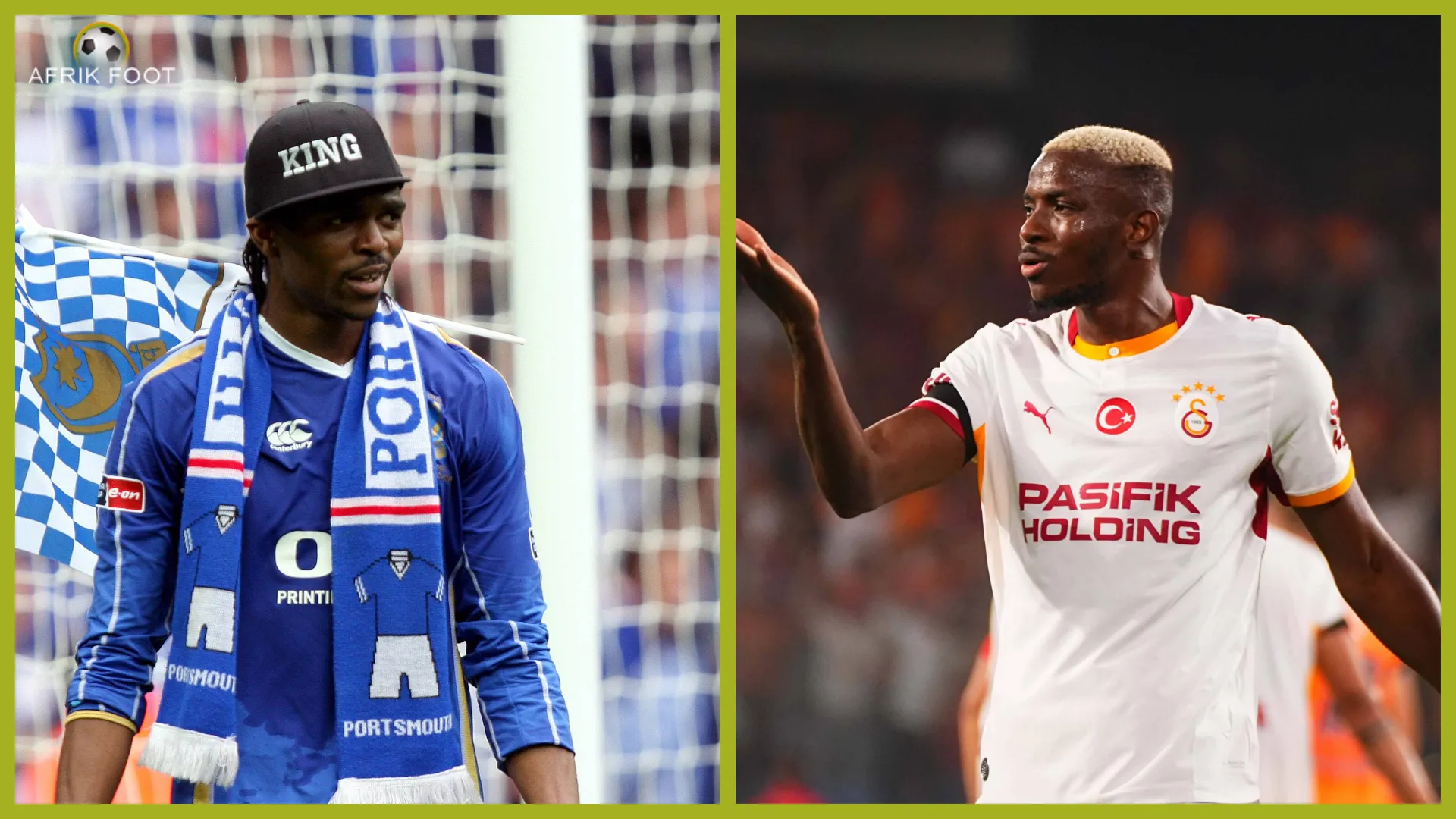
Nigeria’s football history has been shaped by many great players, and that has caused the debate of which of them are among the best Nigerian football players. Some delivered the country’s first major international trophy, while others helped the Super Eagles compete against the world’s best. There are even some who became important figures in European football’s biggest competitions.
However, the strongest cases for greatness are built on achievement and impact. Christian Chukwu captained Nigeria to its first Africa Cup of Nations title, Segun Odegbami helped power that historic triumph, and Stephen Keshi later joined the exclusive group to win AFCON as both a player and coach.
In Europe, Finidi George and Nwankwo Kanu won the Champions League with Ajax, while John Obi Mikel became a European champion with Chelsea.
Victor Osimhen represents the modern generation, having helped Napoli end a 33-year wait for the Italian league title. Rashidi Yekini, meanwhile, remains the highest and most influential goalscorers in Super Eagles history.
In this article, Afrik-Foot writes on the the best greatest Nigerian footballers of all time, following this ranking.
Top 10 Best Nigerian football players
10. Christian Chukwu
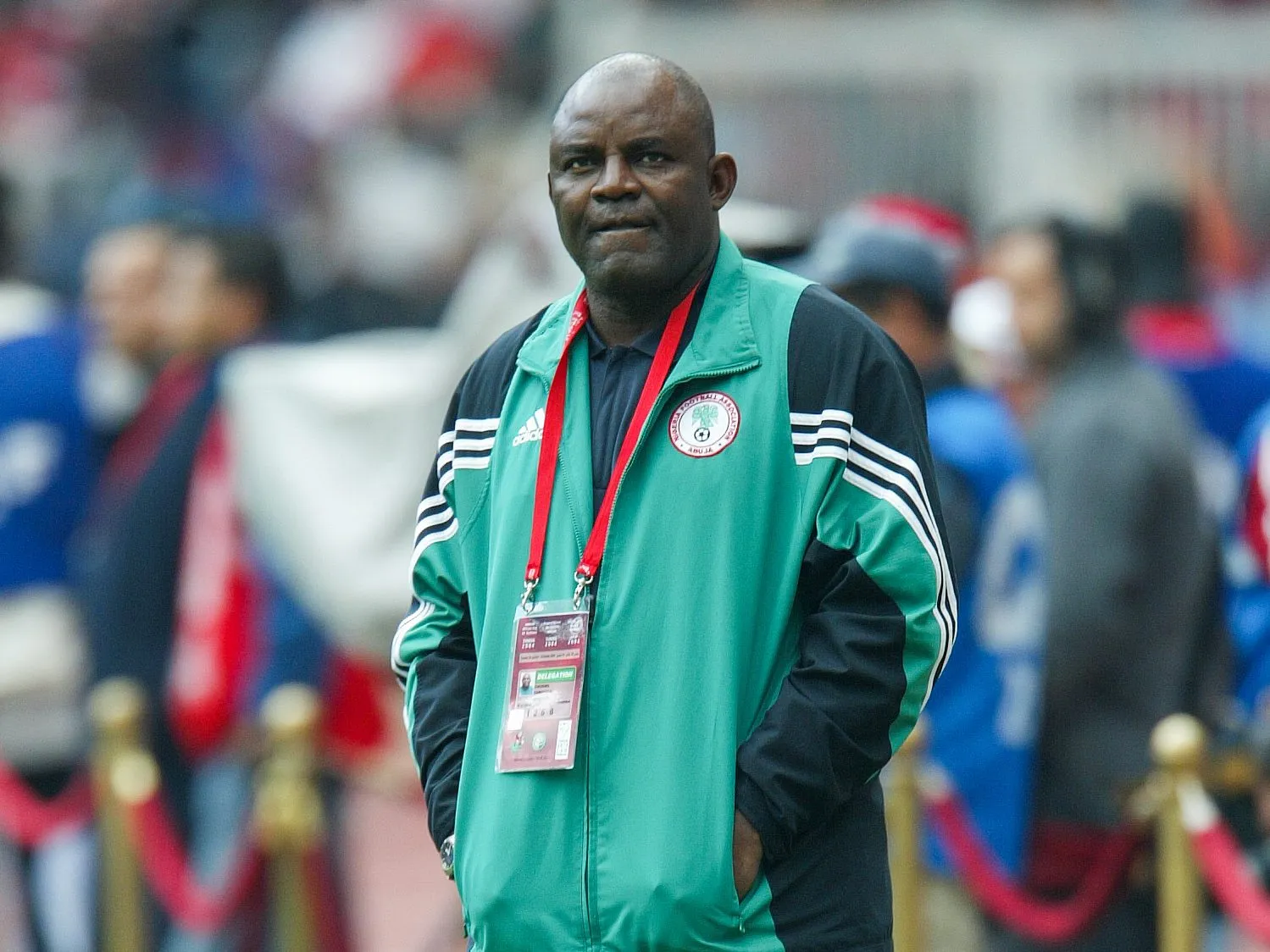
Christian Chukwu’s greatest achievement was leading Nigeria to the 1980 Africa Cup of Nations title, a landmark that changed the country’s standing in African football.
As captain, Chukwu was the defensive rock of a Super Eagles side that defeated Algeria 3-0 in the final in Lagos. Nigeria had reached the final in 1976 and 1978 but had not won the competition. The 1980 triumph ended that wait and delivered the country’s first continental championship on home soil.
Chukwu’s influence was not confined to just the national team. He was the captain and a central figure for Enugu Rangers during one of the most successful periods in the club’s history.
Rangers emerged as a major force in Nigerian football in the 1970s, winning domestic honours and the 1977 African Cup Winners’ Cup. That continental success was especially significant because it showed that a Nigerian club could compete with and defeat leading sides from elsewhere in Africa.
Chukwu later moved into coaching and managed the Super Eagles, extending his contribution beyond his playing career.
9. Segun Odegbami
“Mathematical Segun Odegbami” Nigeria’s first national football star Thread! Retweet https://t.co/NFPfJhsXfg
— Yorùbáness (@Yorubaness) May 11, 2023
Segun Odegbami, who is 9th in this ranking of the greatest Nigerian football players, was one of the leading attacking figures behind Nigeria’s first AFCON triumph. His goals in the 1980 tournament helped turn a talented national side into continental champions.
Odegbami was particularly influential in the final against Algeria, scoring twice in Nigeria’s 3-0 victory. Those goals gave the Super Eagles the breathing room they needed to secure the title and made Odegbami one of the defining players of the tournament.
At club level, Odegbami was closely associated with Shooting Stars of Ibadan. The club became a prominent force in Nigerian football and reached the final of the African Cup of Champions Clubs in 1984, albeit Shooting Stars lost to Egypt’s Zamalek.
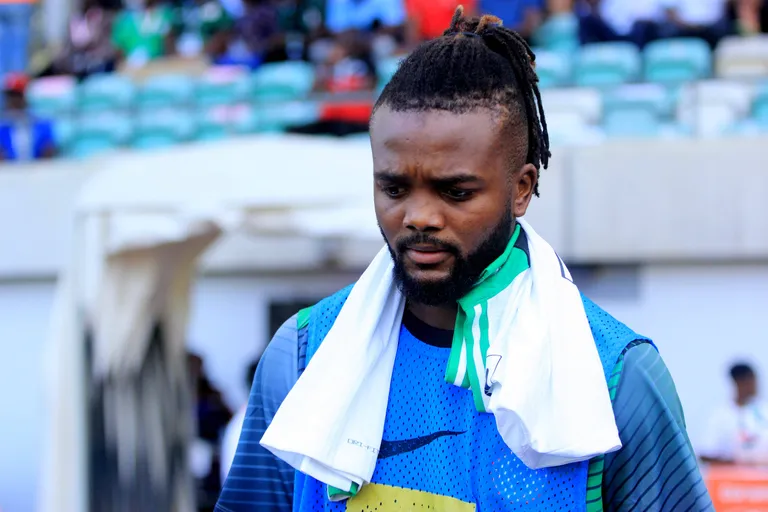
8. Yakubu Aiyegbeni
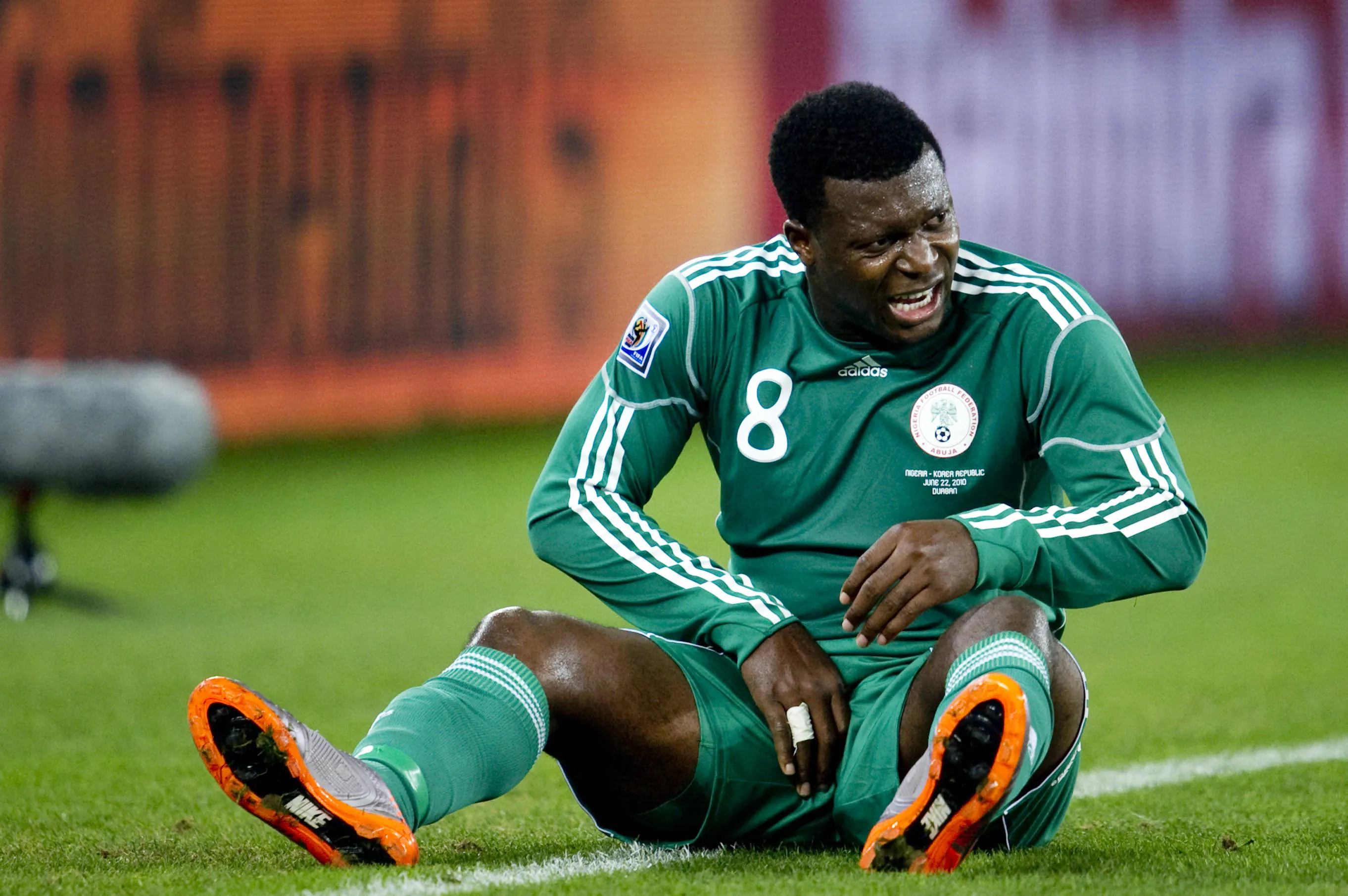
Yakubu Aiyegbeni’s strongest argument for inclusion among Nigeria’s greatest players is the body of work he produced across several clubs in English football. He is unarguably the best Nigerian strikers to grace the Premier League. He had a great combination of physical strength and an innate ability to score consistently against top-flight opposition.
His spell at Portsmouth helped establish him in England, but his time at Middlesbrough was particularly important. Yakubu scored regularly for the club and played a role in its run to the 2006 UEFA Cup final.
Middlesbrough eventually lost 4-0 to Sevilla, but reaching a major European final was a significant achievement for the club, and Yakubu was part of the attacking group that helped take them there.
At Everton, he continued to show his value as a Premier League goalscorer. His career also included spells at Blackburn Rovers and other clubs, making him a familiar figure across different stages of English football. Across 252 appearannces, the former Super Eagles star had 96 goals and 26 assists.
Yakubu’s international record added to his standing. He represented Nigeria at the 2002, 2010 and 2014 FIFA World Cups and scored 21 goals for the Super Eagles. Unfortunately, his World Cup career included a famous missed chance against South Korea in 2010, and that really tainted his international career.
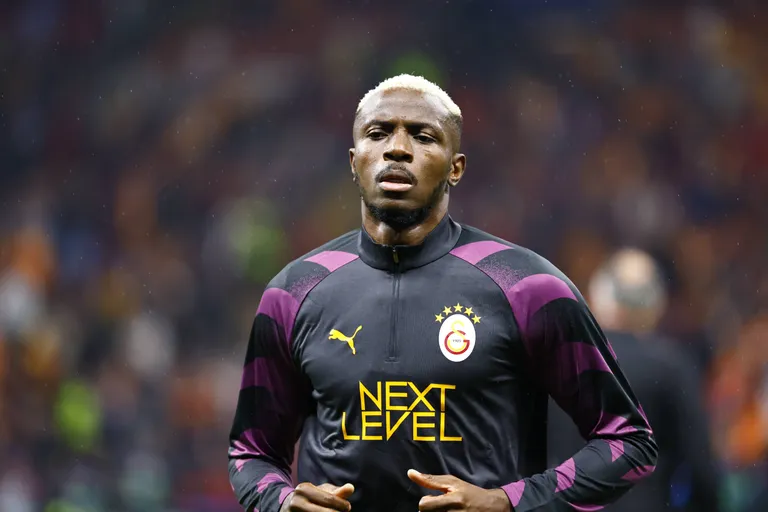
7. Victor Osimhen
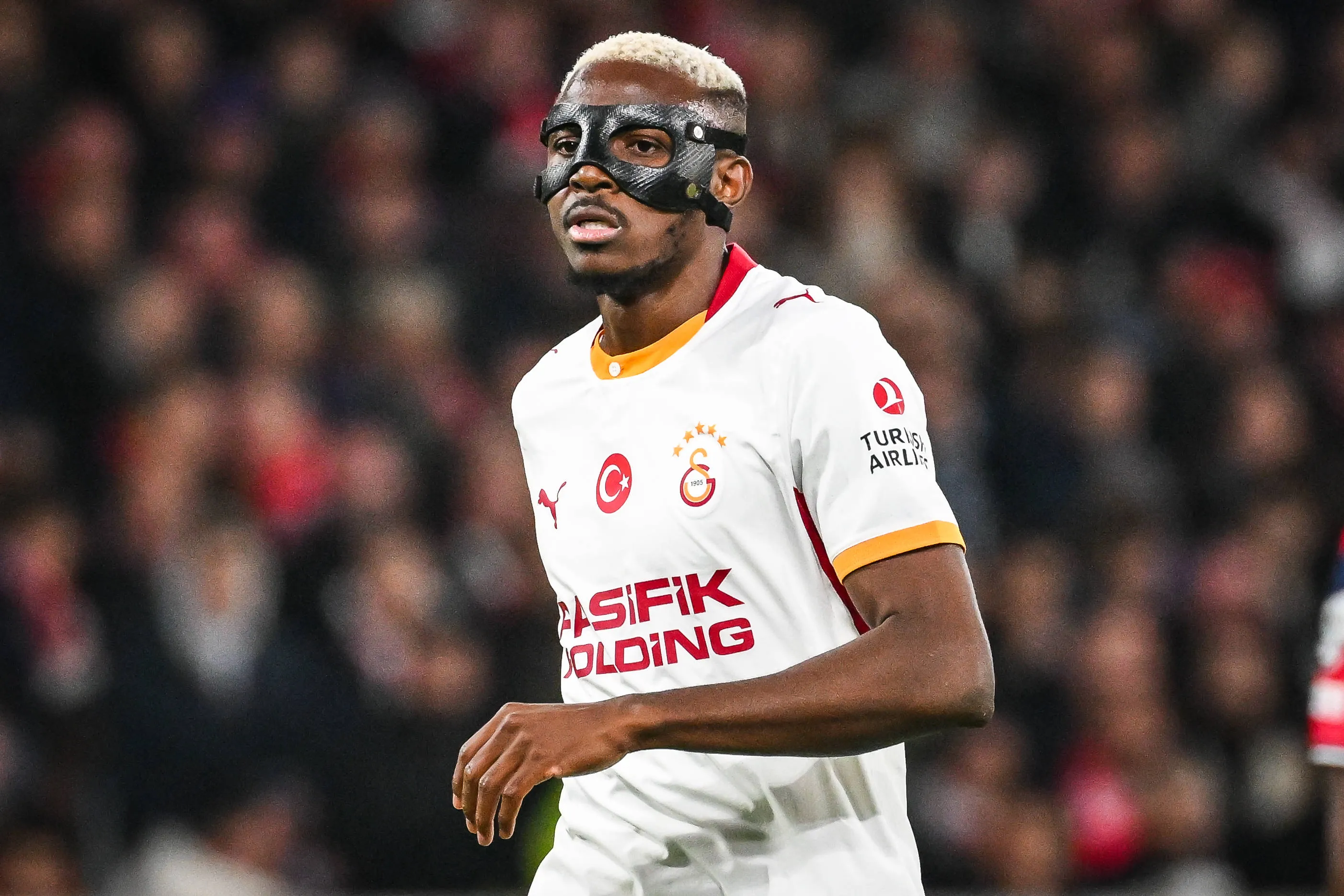
Victor Osimhen’s defining achievement so far is helping Napoli win the 2022–23 Serie A title, ending a 33-year wait for the Italian championship. His goals and relentless attacking work made him the centrepiece of one of the most memorable teams in the club’s modern history.
Napoli had assembled an exciting side, but Osimhen gave their attack a consistent source of goals and a way to punish defensive mistakes. His movement behind defenders, aerial strength and ability to press from the front made him difficult to contain. He scored 26 league goals during the title-winning campaign, becoming the first African player to finish as Serie A’s top scorer.
That achievement mattered beyond the individual award. Osimhen helped Napoli turn a title challenge into a championship, becoming one of the faces of the club’s revival.
His career had already gathered momentum at Lille, where his goals earned him a move to Italy. The Napoli title, however, was the breakthrough that actually transformed his reputation from promising European striker into one of the world’s leading centre-forwards.
For Nigeria, Osimhen has become a key attacking figure and one of the country’s most productive modern international players. He offers the Super Eagles a direct threat in the penalty area and has climbed the national team’s all-time scoring chart. Currently on 35 goals, he is just two goals away from Rashidi Yekini, who is the all-time scorer.
6. Finidi George

Finidi George’s career is defined by two major achievements, and those were winning the UEFA Champions League with Ajax in 1995 and helping Nigeria win the 1994 Africa Cup of Nations.
At Ajax, Finidi was a key member of that famous squad. His pace, width and delivery from the right helped the Dutch club stretch defences and create space for attackers. Ajax defeated AC Milan 1-0 in the 1995 Champions League final, securing one of the most prestigious trophies in club football. Finidi’s role in the team made him one of the early Nigerian players to win European football’s biggest club prize.
His international impact was equally as much. Finidi was part of the Nigeria squad that won AFCON in 1994 and reached the second round of the World Cup that year. Nigeria’s performance at the tournament announced the Super Eagles as a major force, with the team’s attacking pace and confidence earning international recognition.
Finidi later played for Real Betis in Spain and proved that he could adapt to different environments while retaining the directness that made him valuable.
He ranks sixth in the top 10 Nigerian football players because he contributed to success at both club and international level.
5. Stephen Keshi
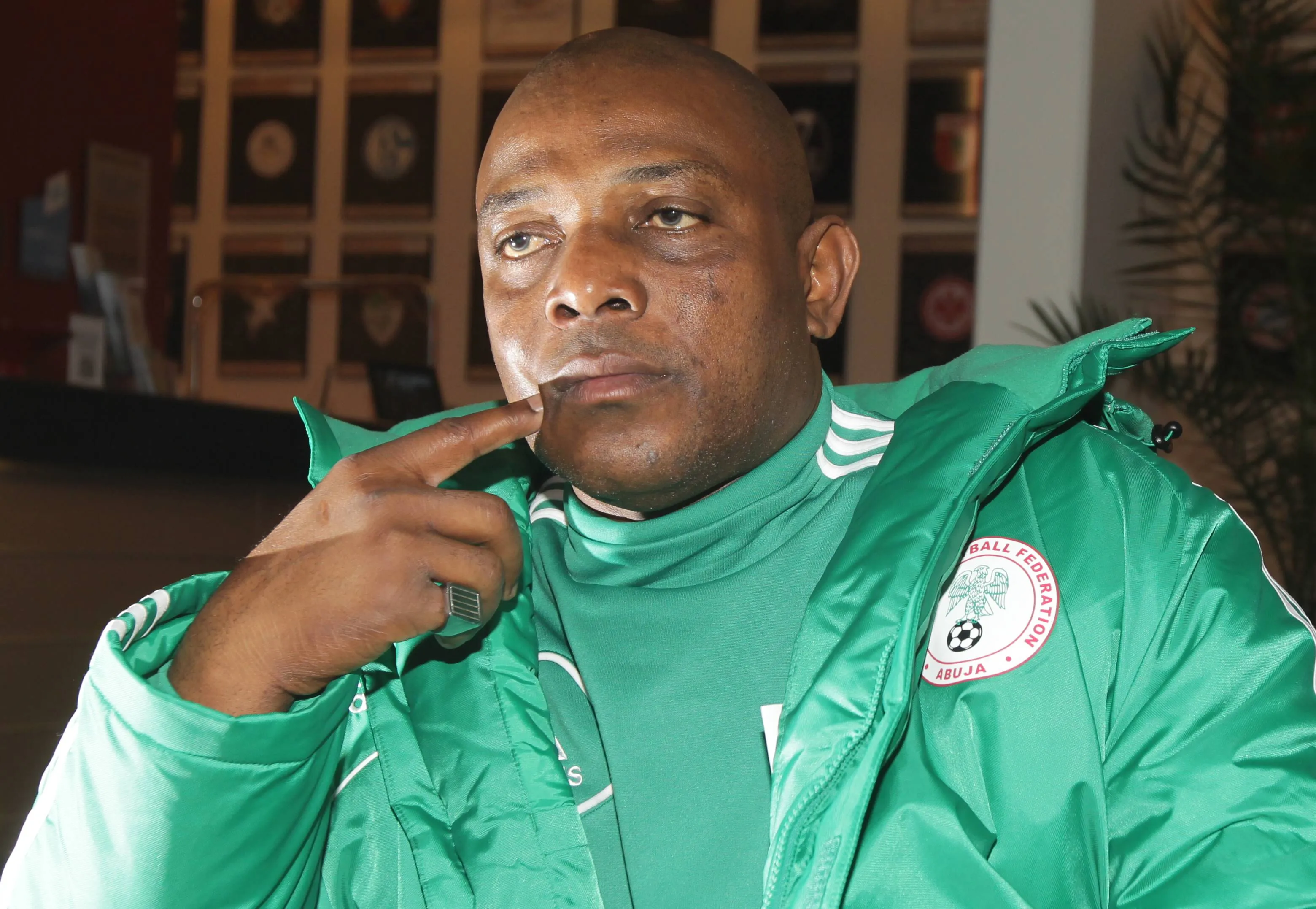
Stephen Keshi’s achievements distinguish him as one of the most influential figures in Nigerian football. He helped Nigeria win the Africa Cup of Nations as a player and later coached the Super Eagles to another continental title, joining a very small group to achieve both on the continent.
As a defender, Keshi was known for his leadership and authority. He played in Europe for clubs including Anderlecht and Strasbourg, helping establish the reputation of Nigerian players in Europe.
Keshi was a member of Nigeria’s 1994 AFCON-winning team. That squad’s success in Tunisia was followed by a strong World Cup campaign in the United States. Nigeria’s performances helped establish the country among the leading teams in international football.
His greatest achievement as a coach came at the 2013 AFCON. Nigeria entered the tournament without the same level of expectation attached to some previous generations, but Keshi built a balanced side that grew stronger as the competition progressed. The Super Eagles defeated Burkina Faso 1-0 in the final, winning their third AFCON title.
That victory was important because it ended Nigeria’s 19-year wait for another continental championship.
4. Mikel Obi
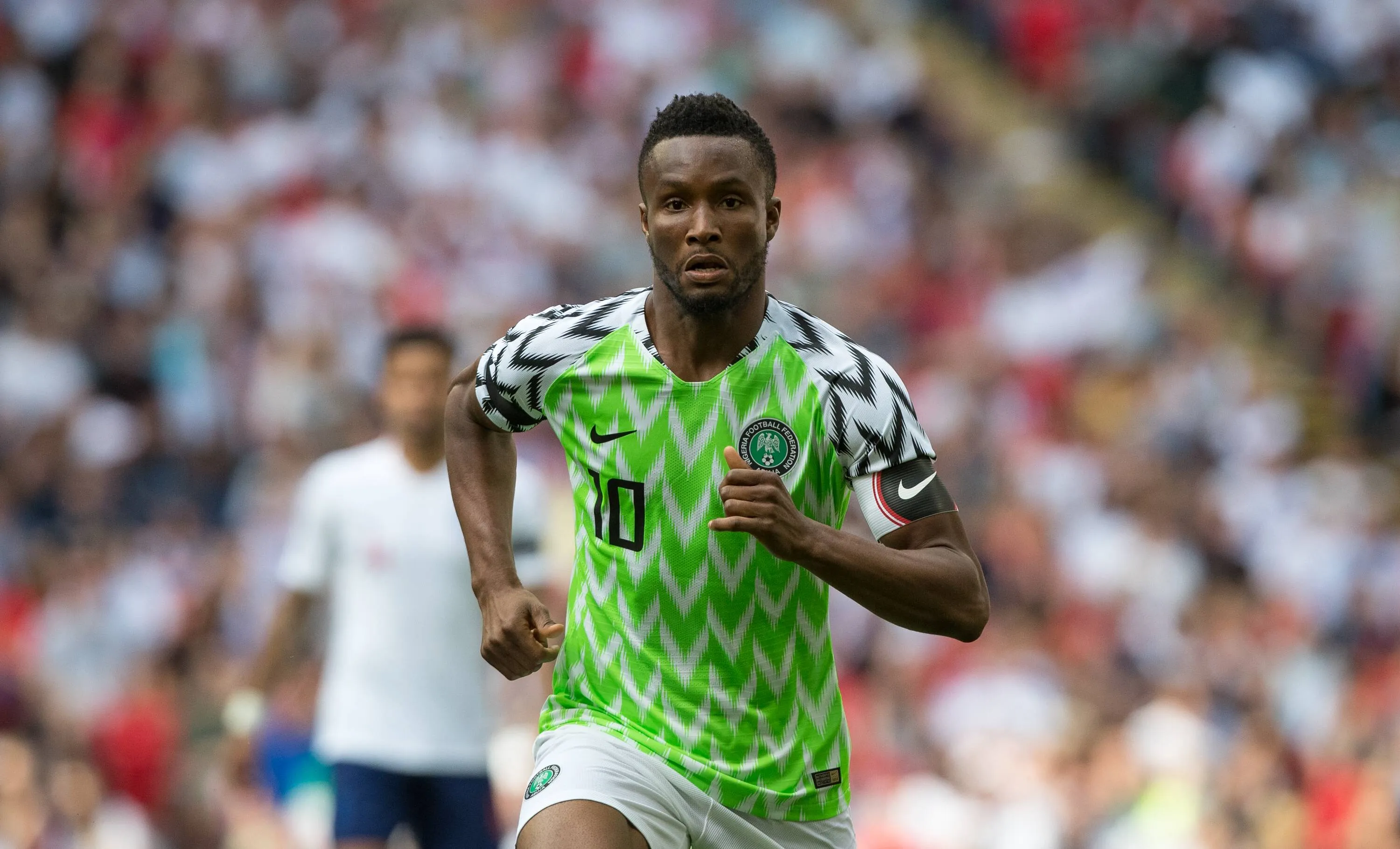
John Obi Mikel’s career at Chelsea is the foundation of his place among Nigeria’s greatest footballers. Across 11 years at Stamford Bridge, he became a trusted part of a team that won major domestic and European honours, including the 2012 UEFA Champions League.
Mikel was not usually the player who attracted attention through goals or spectacular dribbles. His contribution was built on tactical discipline, ball retention and defensive awareness. He gave Chelsea managers a midfielder who could protect the back line, slow down opposition attacks and help the team maintain control in difficult matches.
His role in Chelsea’s 2012 Champions League campaign was notable as Chelsea overcame Napoli in the round of 16, Barcelona in the semi-finals and Bayern Munich in the final. Against Bayern, the match finished 1-1 after extra time before Chelsea won the penalty shoot-out. Mikel’s work in midfield helped the team withstand pressure and remain in contention.
He also won two Premier League titles and the Europa League with Chelsea. Those honours placed him within one of the most successful periods in the club’s history and made him one of Nigeria’s most decorated players at elite European level.
For the Super Eagles, Mikel was staple during his days. He helped Nigeria win the 2013 AFCON and later captained the national team at the 2018 World Cup. He also led Nigeria’s under-23 team to Olympic bronze at Rio 2016, adding another international medal to his career.
Mikel ranks fourth in this list of Nigeria’s best football players because of his longevity, tactical brilliance, and of course, major trophies.
3. Jay-Jay Okocha

Jay-Jay Okocha’s influence on Nigerian football went beyond trophies. He became a symbol of creativity because he had the ability to beat defenders, create chances and change a match through individual skill.
Okocha played for clubs including Eintracht Frankfurt, Fenerbahçe, Paris Saint-Germain and Bolton Wanderers. At Frankfurt, he was popular for his exceptional dribbling, including a memorable goal against Karlsruhe in which he navigated past several defenders and the goalkeeper. That goal became a lasting illustration of his ability to turn an ordinary attack into a moment of individual brilliance.
His time at Paris Saint-Germain brought him into a club with growing international ambitions, while his later spell at Bolton made him one of the Premier League’s most celebrated entertainers. Under Sam Allardyce, Bolton developed into a competitive side that could challenge established clubs.
Okocha’s creativity and leadership helped give the team an identity, and his performances contributed to their rise into the upper half of the Premier League and qualification for European competition.
With Nigeria, Okocha was part of the 1994 AFCON-winning side and the team that reached the second round of the 1994 World Cup. His greatest international achievement came at the 1996 Atlanta Olympics, when Nigeria won gold after defeating Argentina in the final.
More importantly, Okocha’s influence also had a cultural dimension. He helped change perceptions of Nigerian footballers by showing that they could be technically adventurous and capable of captivating audiences in major European leagues.
2. Rashidi Yekini
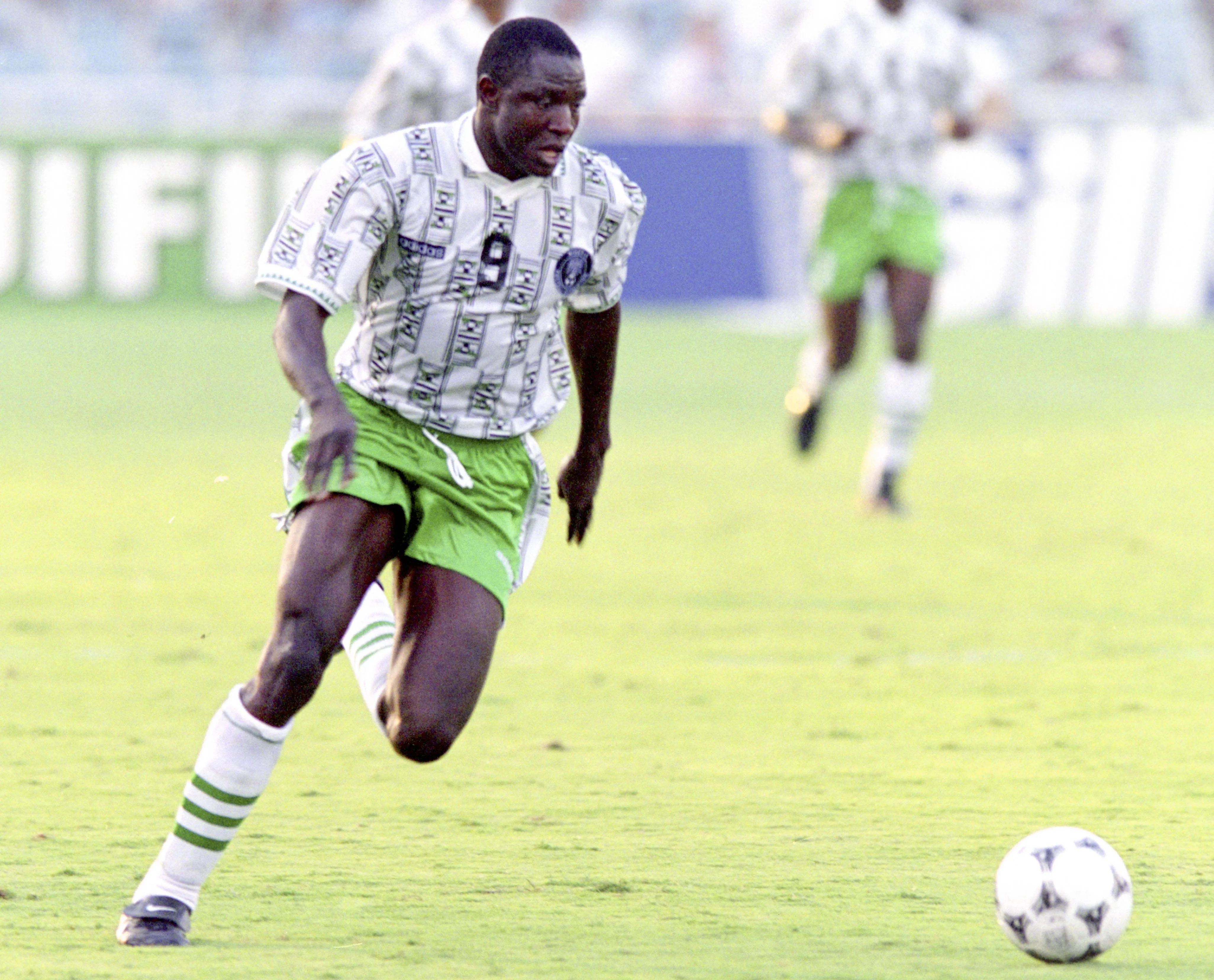
Rashidi Yekini’s greatest achievement was becoming Nigeria’s most prolific international goalscorer and scoring important goals at a defining moment in the country’s football history.
Yekini scored 37 goals for the Super Eagles in his days, a record that has stood for decades. His strength, positioning and instinct inside the penalty area made him the focal point of Nigeria’s attack during the early 1990s.
He did not shy away in any game at all. He was prolific in the hard and easy games.
At the 1994 AFCON in Tunisia, Yekini scored five goals to win the Golden Boot and help Nigeria secure a second continental title.
Later that year, Yekini scored Nigeria’s first-ever goal at a FIFA World Cup, opening the scoring in a 3-0 win over Bulgaria. The goal became an iconic moment. His emotional celebration, gripping the net as he shouted in delight, captured the significance of Nigeria’s arrival on football’s biggest stage.
#OnThisDay seven years ago, we lost 🇳🇬@NGSuperEagles legend Rashidi Yekini. The first player to score a World Cup goal for the Super Eagles, his passionate celebration will always have its place in the history of the tournament. https://t.co/la35PP8psK
— FIFA World Cup (@FIFAWorldCup) May 4, 2019
Yekini also enjoyed success at club level, particularly with Vitória de Setúbal in Portugal, where he scored 37 goals and one assist in 69 games.
His influence on the Super Eagles was great. Nigeria’s attacking play during that period often revolved around getting the ball into Yekini, whose movement and finishing gave the team a reliable route to goal.
1. Nwankwo Kanu

Nwankwo Kanu takes the top spot in the ranking of the greatest Nigerian football players because few Nigerian footballers have as much European trophies, international achievement and brilliant individual performances across such a varied career.
Kanu first made his mark at Ajax, where he won the UEFA Champions League in 1995. Ajax defeated AC Milan 1-0 in the final, and Kanu was part of a squad that helped the Dutch club dominate European football. He also won domestic honours in the Netherlands, establishing himself as one of the most promising young forwards in Europe.
His career faced a serious obstacle when doctors discovered a heart condition after his move to Inter Milan. But successful surgery allowed him to return to football, a comeback that is one of the most remarkable stories in the sport.
At Arsenal, Kanu became a key attacking option under Arsène Wenger. He scored 44 goals in 198 appearances for the club and helped the Gunners win two Premier League titles and two FA Cups. His versatility allowed him to play as a striker or in a deeper attacking role, while his touch and vision made him effective in a team built around technical football.
One of his most memorable performances came in October 1999, when Arsenal were 2-0 down against Chelsea at Stamford Bridge. Kanu scored a remarkable hat-trick in the final 15 minutes to give Arsenal a 3-2 victory. The comeback became one of the Premier League’s biggest advertisments.
That’s how to seal a hat-trick 👏 Happy birthday, @papilokanu 🎉 https://t.co/PwsdEzuqIy
— Premier League (@premierleague) August 1, 2018
Kanu also played a part in Arsenal’s unbeaten 2003–04 league campaign, although he was no longer a regular starter by then. After leaving north London, he joined Portsmouth and scored the winning goal in the 2008 FA Cup final against Cardiff City. That goal gave Portsmouth’s first FA Cup triumph since 1939.
His international record was just as graceful. Kanu captained Nigeria’s under-23 team to Olympic gold in Atlanta in 1996, scoring twice in the dramatic semi-final comeback against Brazil before Nigeria defeated Argentina in the final. He also won the FIFA U-17 World Cup with Nigeria in 1993 and claimed the African Footballer of the Year award twice.