The Confederation of African Football (CAF) have reversed their decision to hold the Africa Cup of Nations (AFCON) every four years.
In December 2025, CAF announced that the Africa Cup of Nations was changing from a two-year cycle to a four-year cycle. The space in between would usher in a new CAF Nations League, a mirror of the European Nations League.
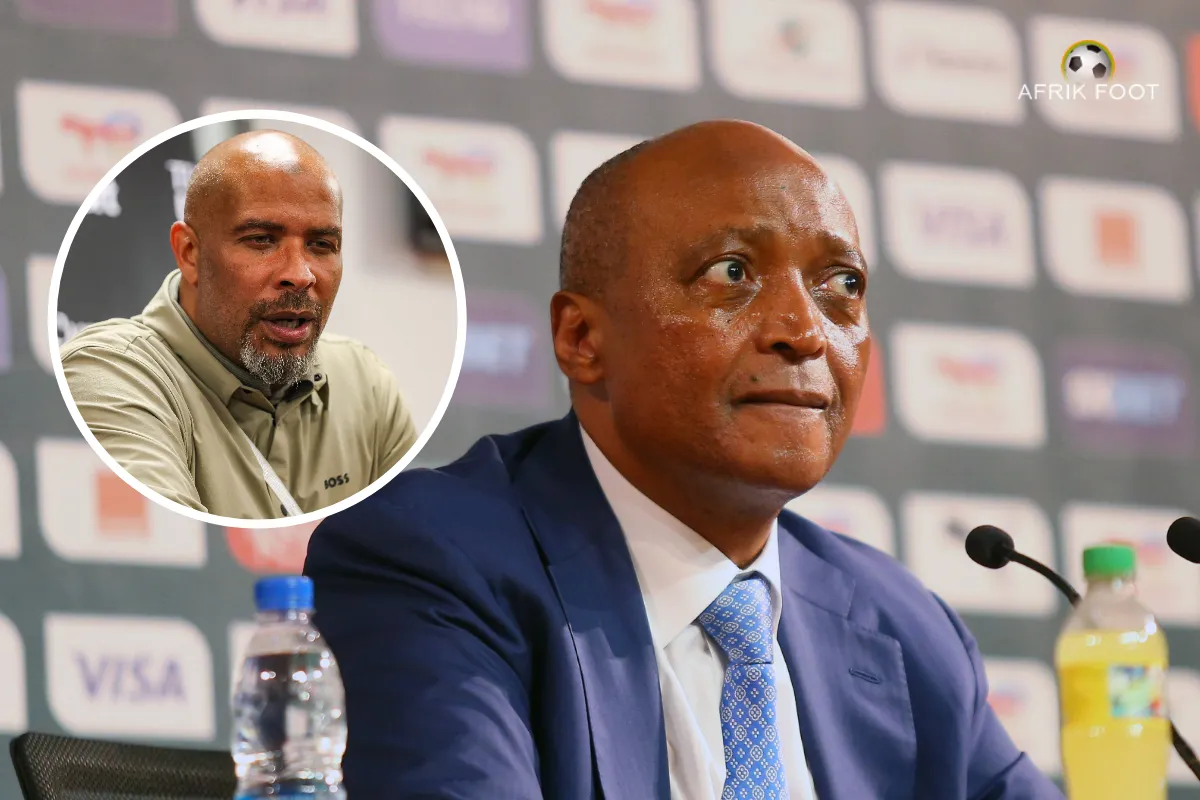
CAF had been rolling with that narrative until about a month ago when rumours emerged that CAF could make a U-turn. Then earlier this month, the president of CAF, Patrice Motsepe, confirmed that they were deliberating a U-turn.
In the early hours of Friday, CAF officially confirmed that they would be moving back to the normal two-year schedule. According to CAF, the change was necessitated by the time it would take to develop the CAF Nations League to become financially viable.

“The decision by the CAF EXCO that the CAF AFCON should take place every two years was based on advancing, protecting and promoting the interest of African Football and CAF’s 54 Member Associations, as well as the interest of African players employed by Football Clubs outside Africa.
”We were also concerned by the several years required before the proposed new Africa Nations League Pan-African competition, (which was supposed to be identical to the current AFCON and take place Every Two Years), could make the substantial financial and football development contributions for African Football and CAF competitions to be globally competitive and self-supporting.
”The forthcoming FIFA World Cup will take place in 2030 and in accordance with the FIFA tradition, the final tournament of the AFCON and other Confederations National Teams competitions may not take place during the year of the FIFA World Cup.
“The AFCON competition is also about celebrating African Football and Africa’s rich and diverse cultures, customs and traditions and bringing people together from Africa’s 54 Countries, the African Diaspora and throughout the world.”
What Does The AFCON U-Turn Mean For The Super Eagles?
This U-turn will not have any major direct or exclusive impact on Nigerian football. However, it gives the Super Eagles and indeed other countries more opportunities to win the AFCON.
Nigeria have not won the Africa Cup of Nations since their triumph in South Africa in 2013.
The Super Eagles have come close on two occasions since then, finishing third at the 2019 tournament in Egypt before reaching the final in Ivory Coast in 2023, where they lost 2-1 to the hosts.
Under CAF’s abandoned four-year plan, Nigeria would have had to wait longer for opportunities to challenge for the trophy.
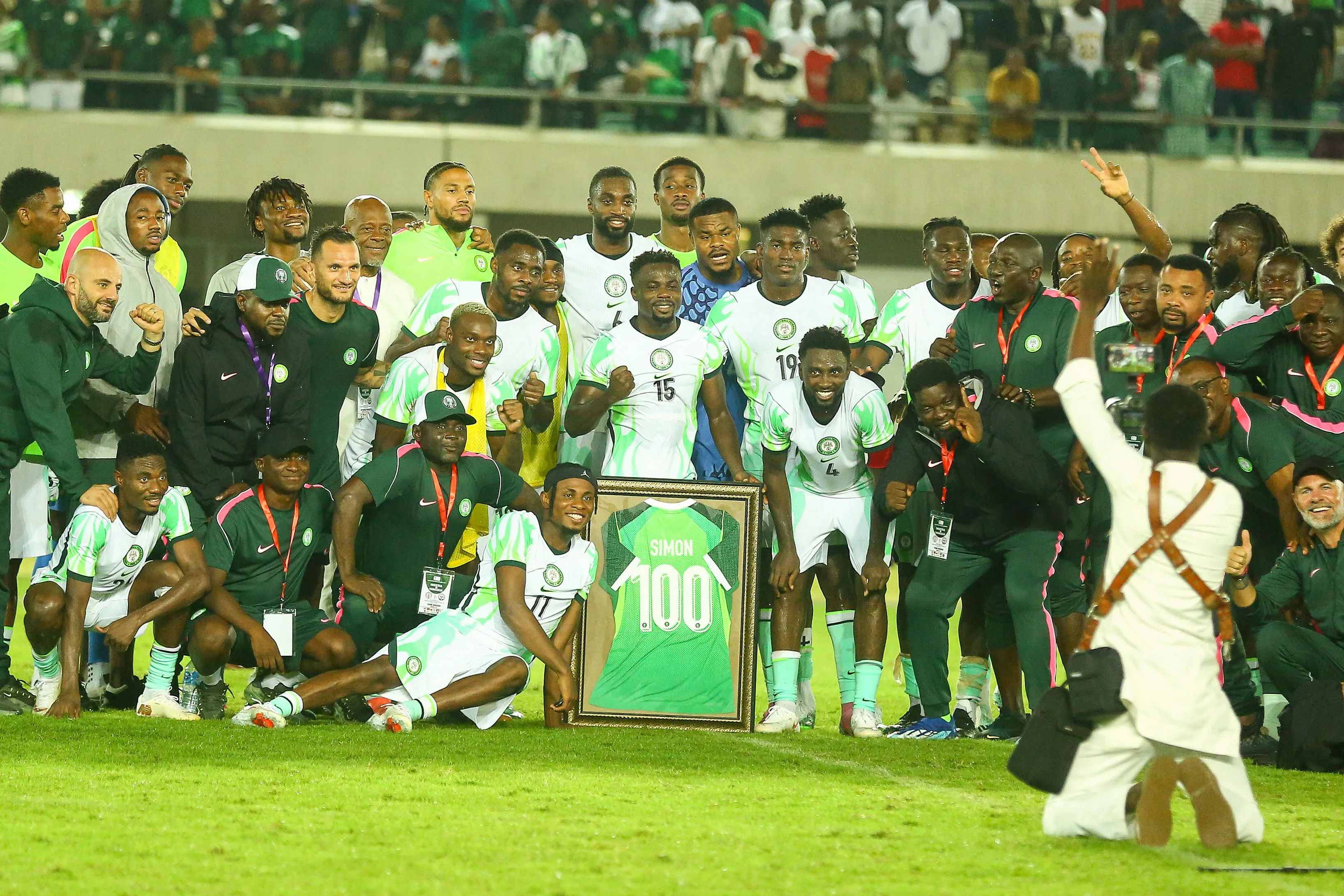
But this return to a two-year cycle changes that situation. Instead of potentially waiting until 2032 for another tournament after the 2028 edition, the Super Eagles will have another opportunity in 2031.
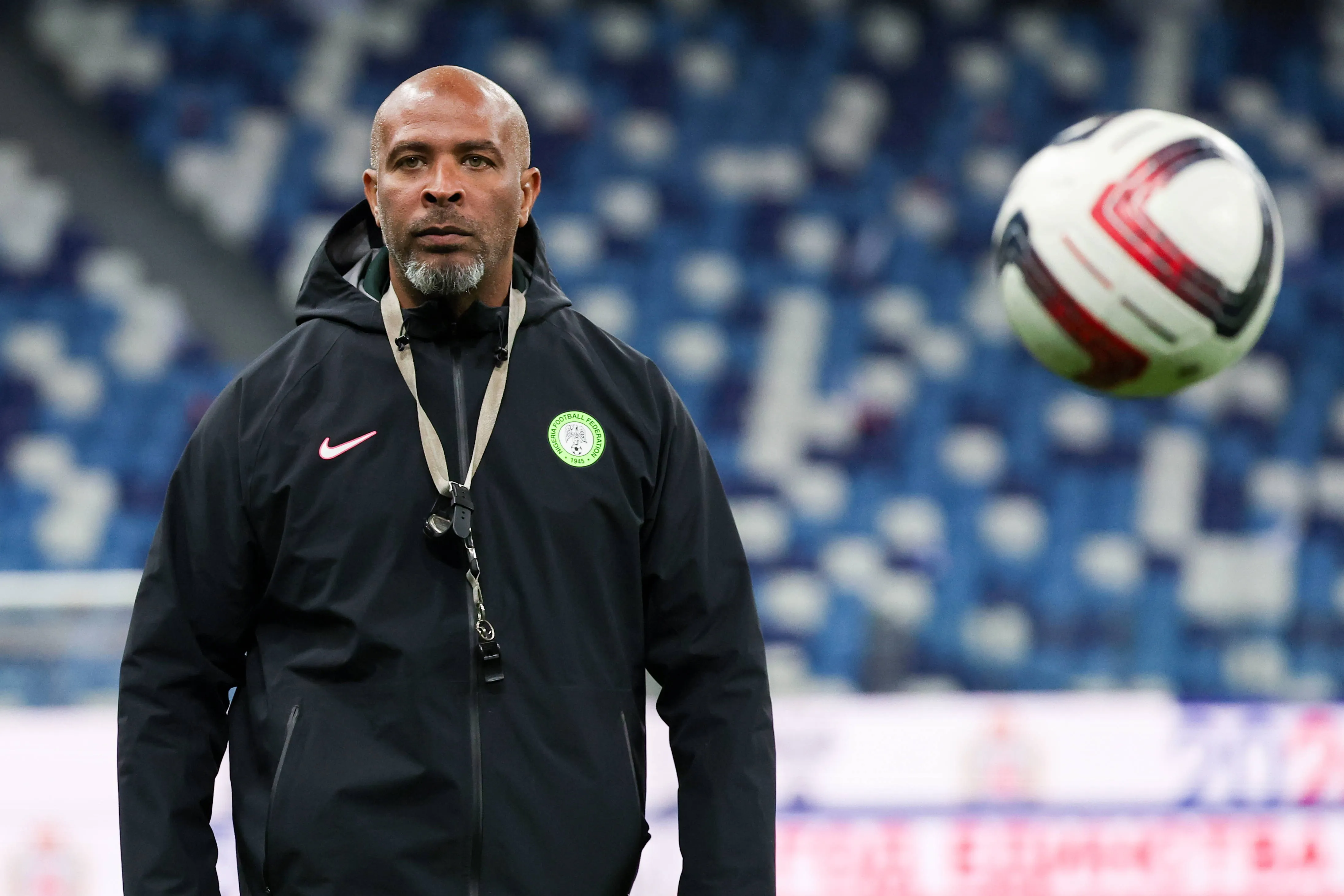
Also, the decision gives Eric Chelle a more regular competitive target around which to build his team.
The Franco-Malian tactician is still working to establish his preferred Super Eagles structure, identify his most reliable players, and develop alternatives across different positions.
A four-year AFCON cycle would have reduced the number of major tournaments available to assess the progress of his project.
With the two-year format restored, Chelle could have more opportunities to test his ideas in competitive conditions and make adjustments between tournaments. This could also help with the World Cup qualifiers, as the players would have played competitive matches in between the World Cup qualifiers. It would keep them sharp and ensure momentum.
It could also benefit players who are still trying to establish themselves in the national team.
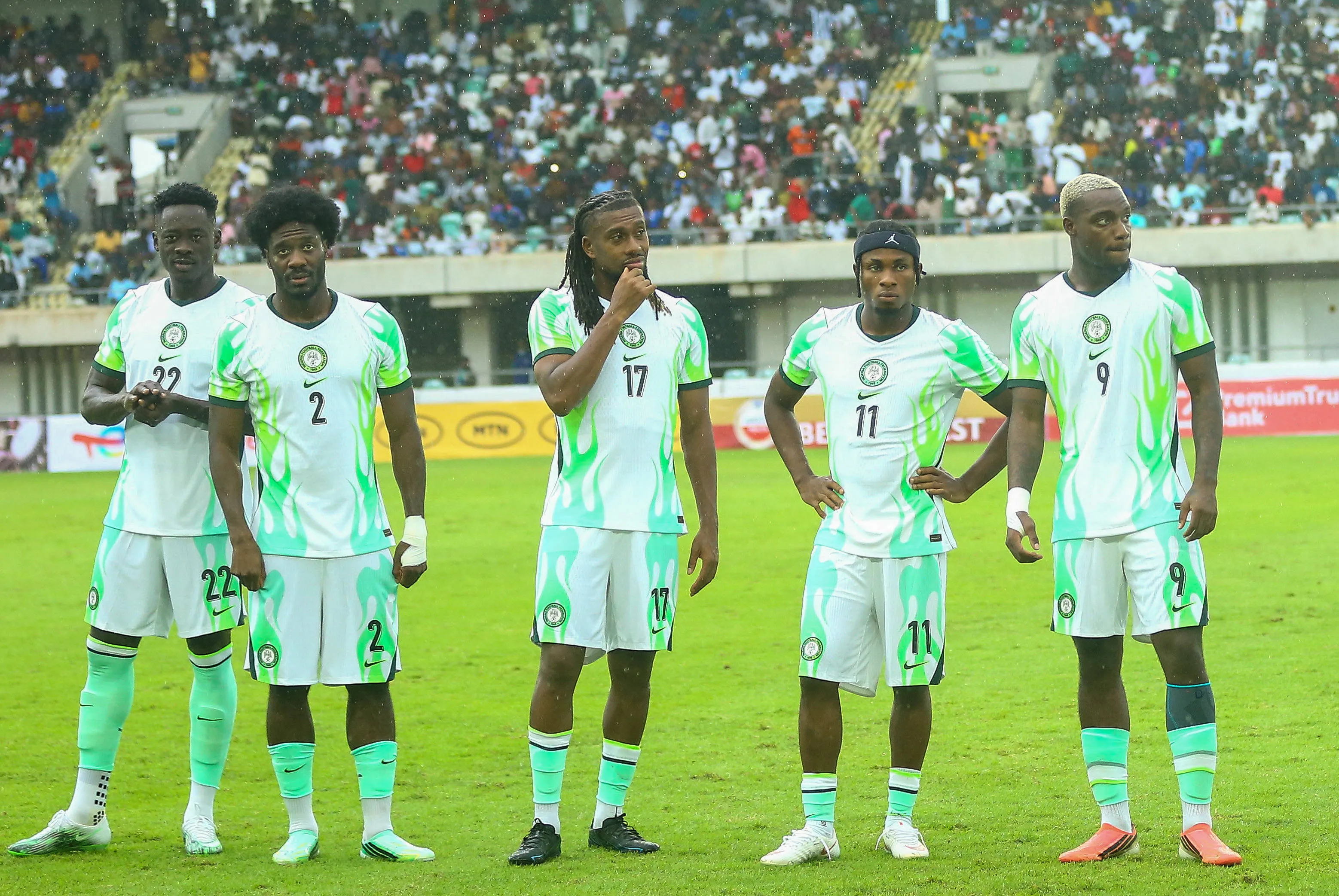
Youngsters like George Ilenikhena, Benjamin Fredrick, and other emerging Nigerian talents have an opportunity to develop into important members of the squad rather than waiting several years for another continental tournament.
Meanwhile, the next AFCON is in 2027. Nigeria currently sit second in their group, three points behind Guinea-Bissau, who thrashed them 3-0 in the last round.
Unfortunately for Nigeria, only one country will qualify from their group because Tanzania is one of the co-hosts. Chelle and his lads have to pour everything into the qualifiers, as failure to make it to Uganda, Kenya, and Tanzania would be disastrous.