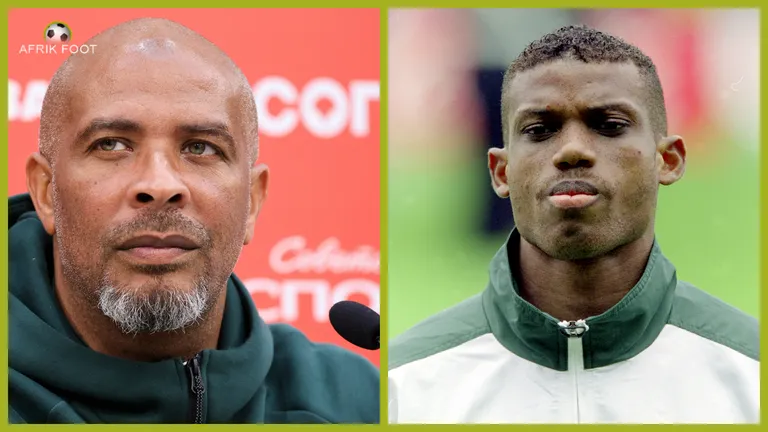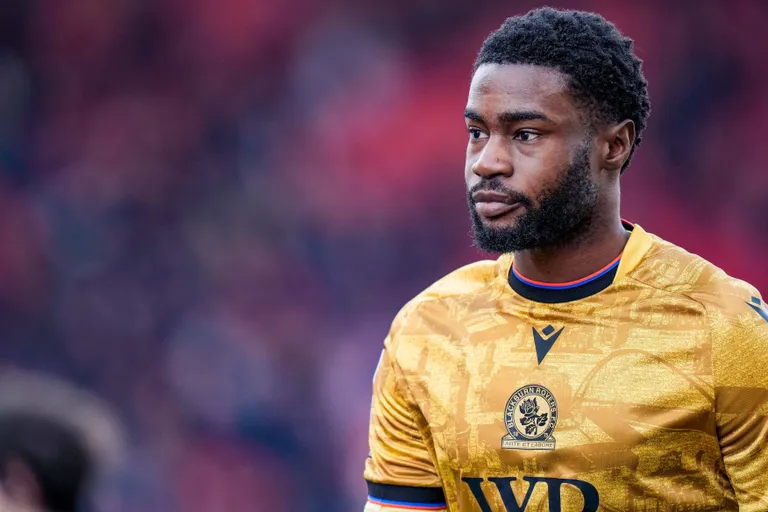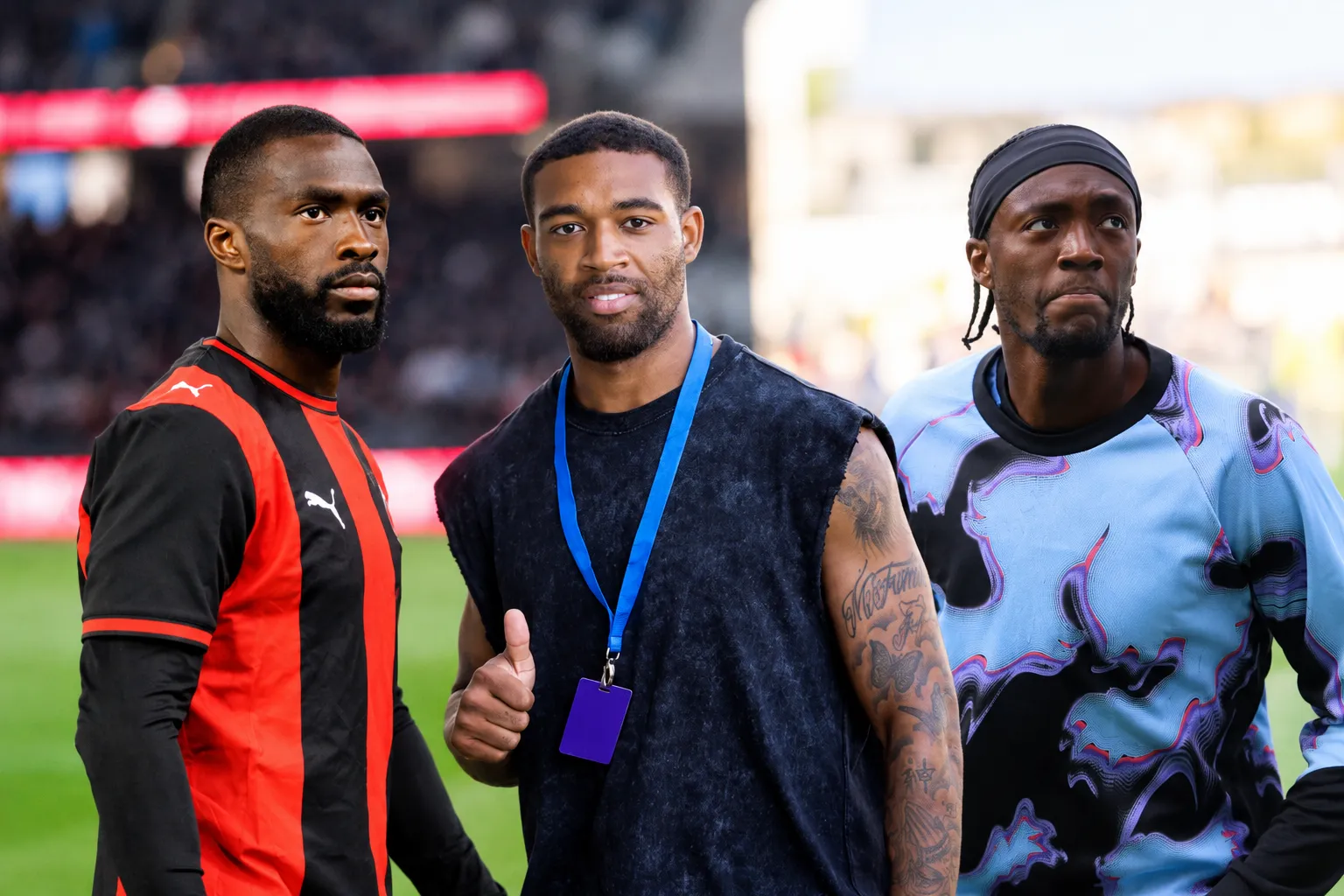
Nigeria’s Super Eagles have been blessed over the years with talents born and nurtured abroad but who decided to represent the birthplace of their parents.
Alex Iwobi, William Troost-Ekong, Ola Aina, and Ademola Lookman are a few of the names that instantly jump to mind.
Still, several footballers of Nigerian heritage have chosen to represent England rather than the Super Eagles. While some went on to earn senior caps, others struggled to establish themselves in the Three Lions setup.
Nedum Onuoha and John Fashanu have spoken about their disappointment at missing out on representing Nigeria. The careers of several others have also raised questions about what might have happened had they played for the Super Eagles.
Super Eagles: Players who could regret choosing England over Nigeria
1. Nedum Onuoha
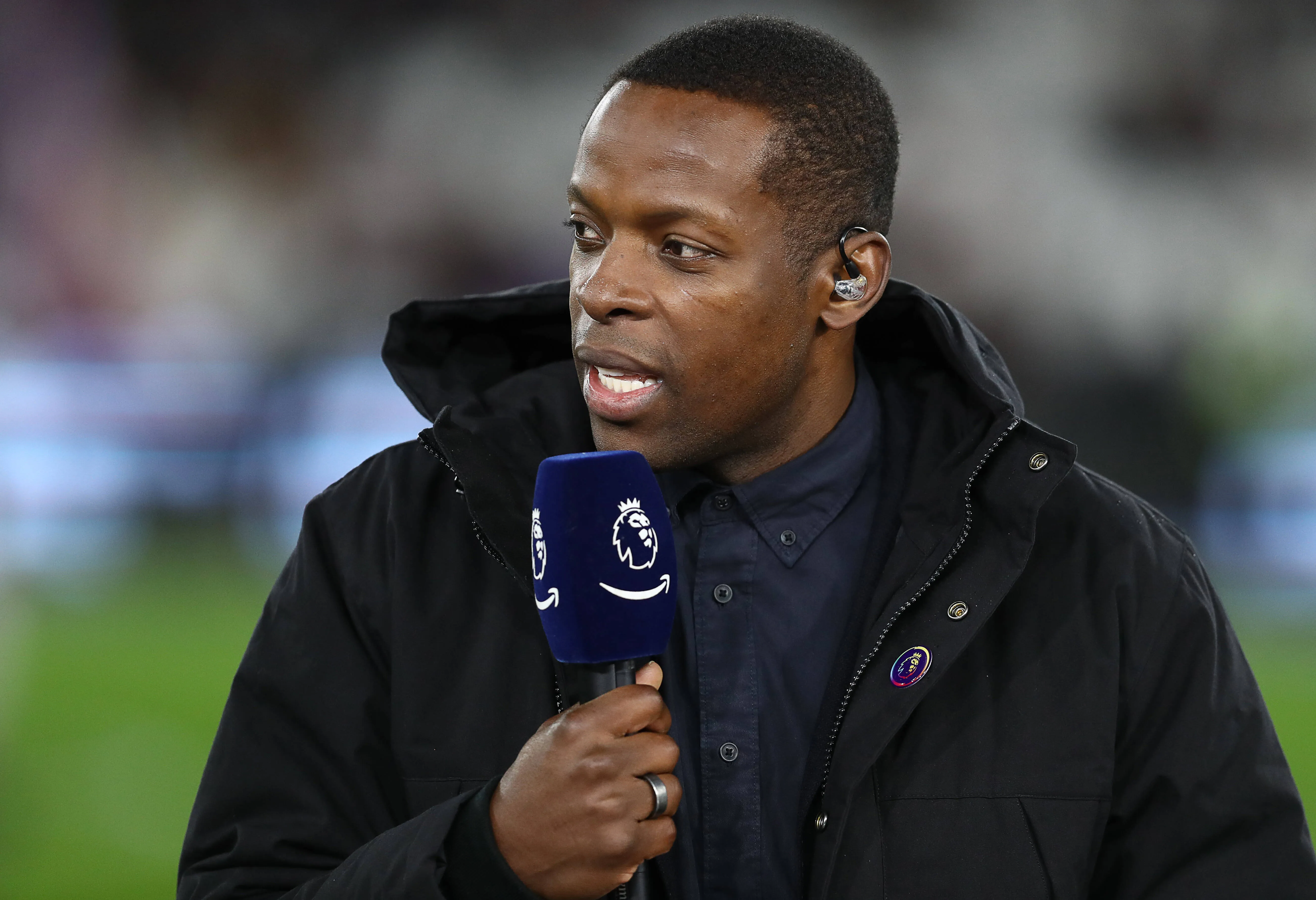
Former Manchester City defender Nedum Onuoha has admitted that he regrets never playing international football.
Born in Warri, Nigeria, Onuoha moved to England as a child and represented the country at Under-20 and Under-21 levels. However, he never earned a senior cap for the Three Lions.
Nigeria approached him about joining the Super Eagles ahead of the 2008 Africa Cup of Nations. Onuoha was reluctant to leave Manchester City for the tournament because he feared losing his place in the team. The senior England call-up he hoped for never came.
Reflecting on his career, Onuoha said: “Looking back on my career, there are lots of things where I wish I had done something differently. I regret not playing international football.”
The former defender retired without representing either country at senior level, missing out on the England successes recorded by the likes of Bukayo Saka.
2. John Fashanu
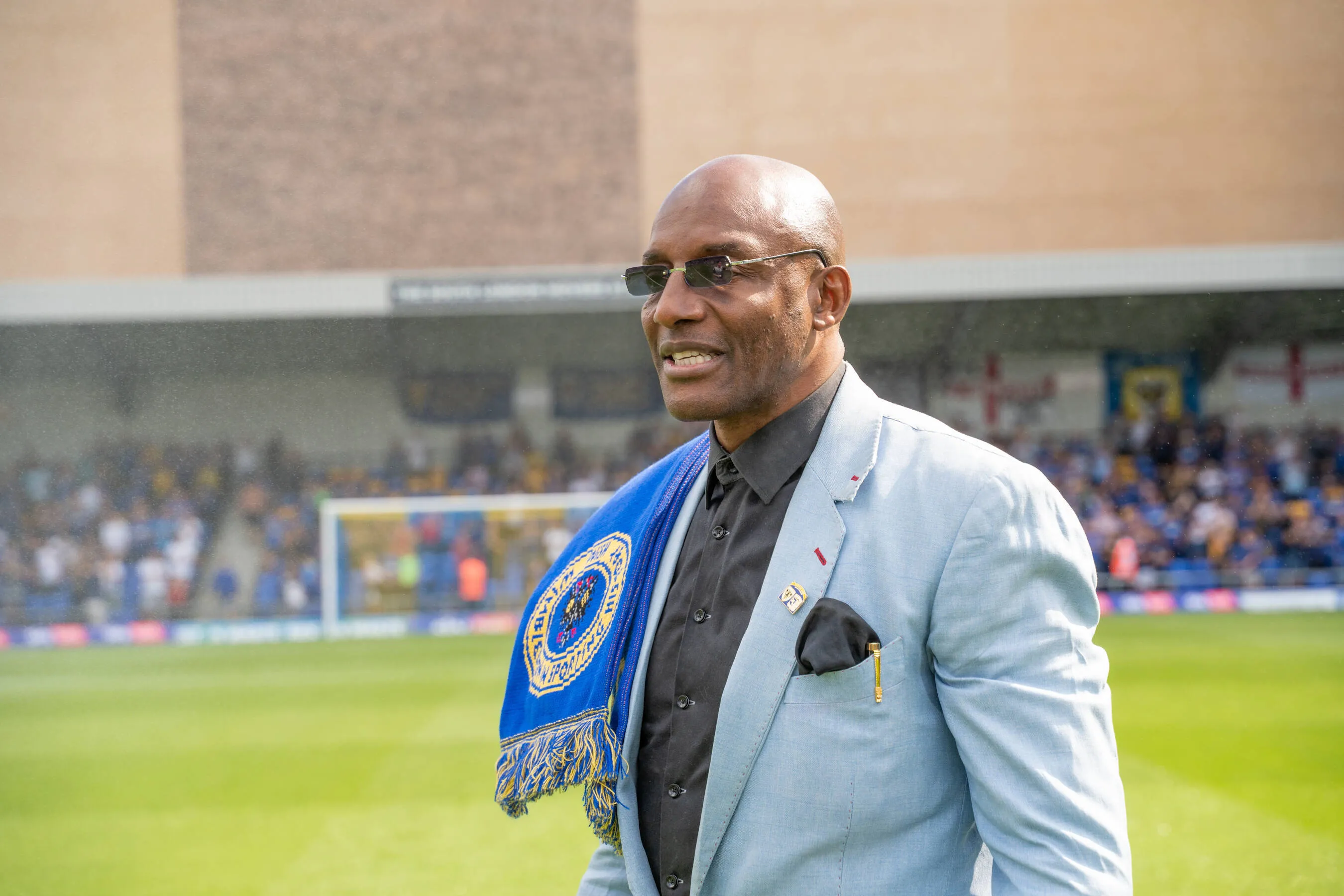
Former Wimbledon striker John Fashanu earned two caps for England in 1989 but never played for Nigeria.
Fashanu later spoke about his desire to represent the Super Eagles and his frustration at not getting the opportunity. He said he had returned to Nigeria several times hoping to play for the country but felt he had not been given a fair chance.
His England career was brief, despite his success at club level with Wimbledon, where he became a key figure in the team’s rise during the late 1980s and early 1990s.
Fashanu has since expressed disappointment at never wearing Nigeria’s green and white shirt. His pain is understandable as the Super Eagles won the Africa Cup of Nations and made a splash at their maiden appearance at the World Cup at a time when Fashanu was at his peak.
3. Gabriel Agbonlahor
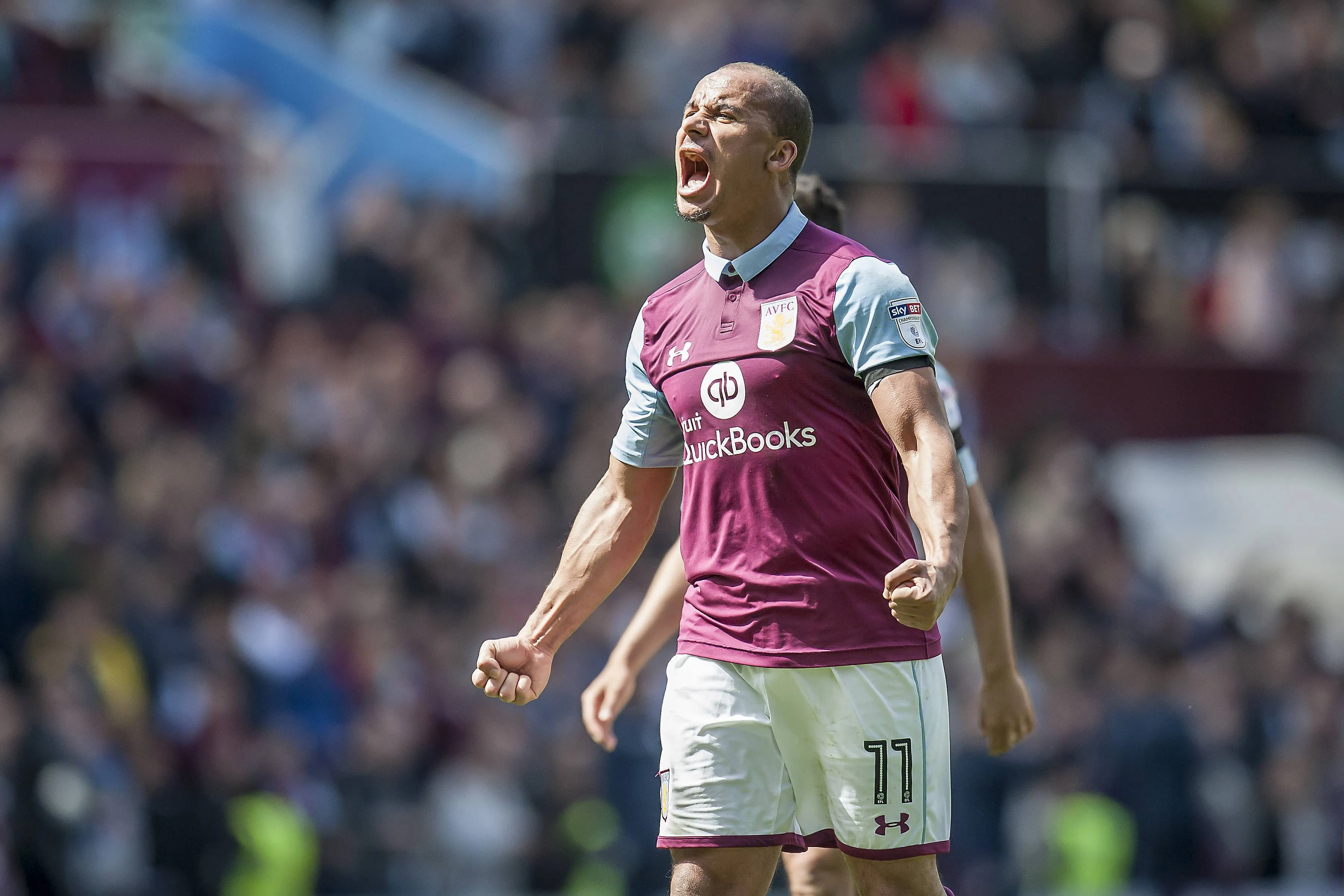
Gabriel Agbonlahor enjoyed a successful Premier League career with Aston Villa but had limited opportunities with England.
Born in Birmingham to a Nigerian father and a Scottish mother, the former striker was eligible to represent Nigeria. In 2007, former Super Eagles coach Berti Vogts named Agbonlahor in Nigeria’s squad but a few months later, England also invited him for a couple of friendly games.
He chose England and went on to make three senior appearances but he scored no goals and was left out of the squad for the 2010 World Cup.
Agbonlahor never became a regular in the England squad, despite his performances for Villa. His international career fell short of the success he achieved at club level.
4. Tammy Abraham
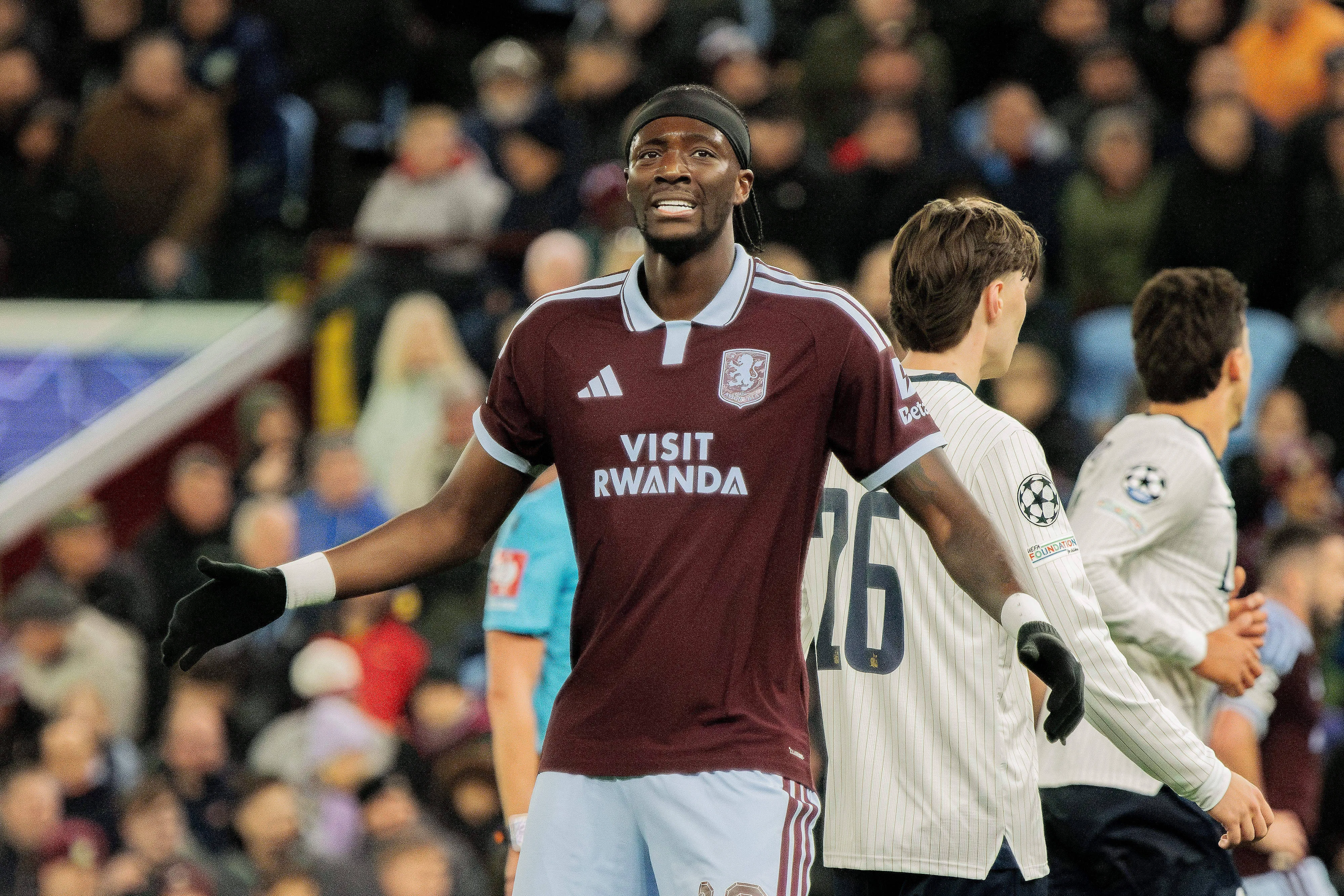
Tammy Abraham was a major target for the Nigeria Football Federation before he decided to represent England.
The striker, whose father is Nigerian, attracted interest from the NFF while playing for Chelsea and Swansea City. In September 2017, he ended speculation about a possible switch by confirming his commitment to England.
“I have informed The FA that I remain available for selection for England,” Abraham said at the time.
He went on to earn 11 senior caps for the Three Lions, scoring three goals but competition for places limited his opportunities. England have several options in attack, making it difficult for Abraham to establish himself as a regular starter.
5. Fikayo Tomori
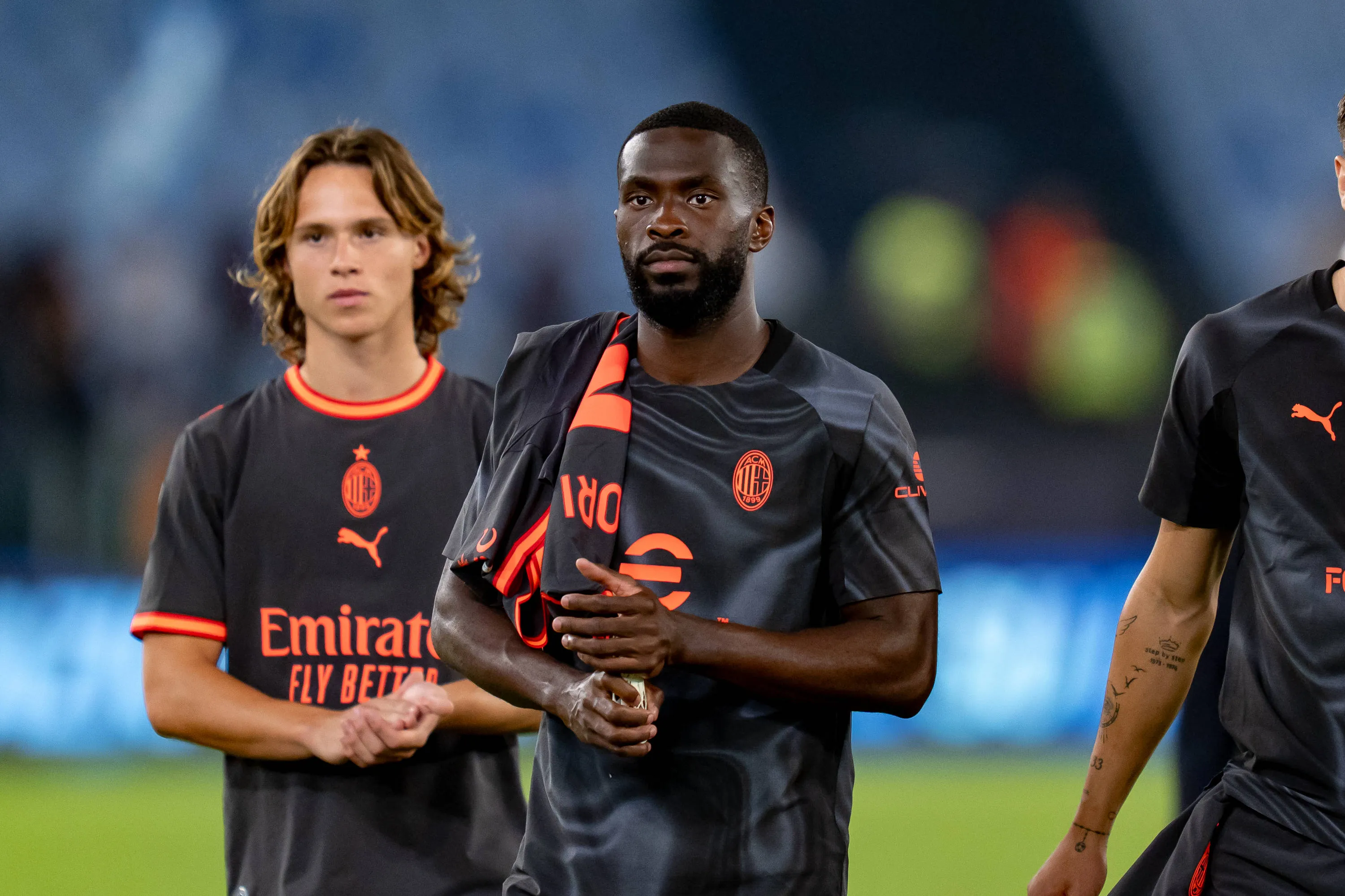
Fikayo Tomori has struggled to secure a regular place in England’s defence despite a fine career that has seen him play for Chelsea and AC Milan.
Born in Calgary, Canada, to Nigerian parents and raised in England, Tomori was eligible to represent three countries. He played for Canada at youth level before switching to England, eventually earning six senior caps for the Three Lions.
However, he has often been overlooked for major tournaments, even when his club performances have been impressive.
Tomori has also explained that Nigeria never made an official approach to him when he was considering his international future.
“If it was Nigeria, I’d have gone,” he said on the Filthy Fellas podcast, explaining that the NFF had never called him.
6. Jordon Ibe
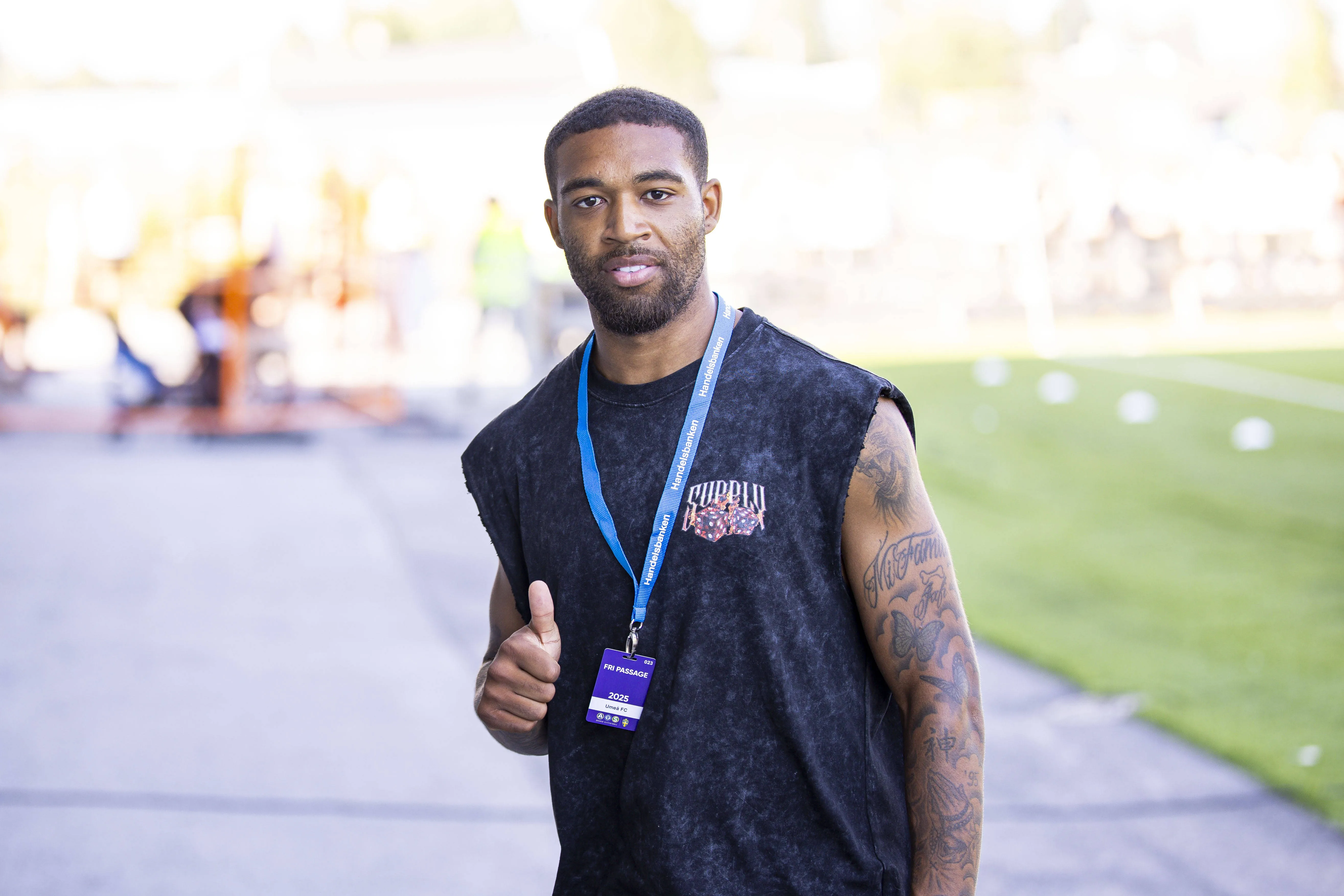
Jordon Ibe was once regarded as one of English football’s most promising young wingers during his time at Liverpool.
His Nigerian heritage made him eligible to represent the Super Eagles, and former Nigeria coach Sunday Oliseh reportedly travelled to England to meet Ibe and his family in an attempt to persuade him to choose Nigeria.
Ibe, arrested earlier this year, opted for England in 2015, hoping to progress from the youth teams to the senior side.
That opportunity never came. He did not earn a senior England cap, and his club career lost momentum in the years that followed.